How to Build: ICF Swimming Pools
Faster construction, more efficiency, and greater longevity.
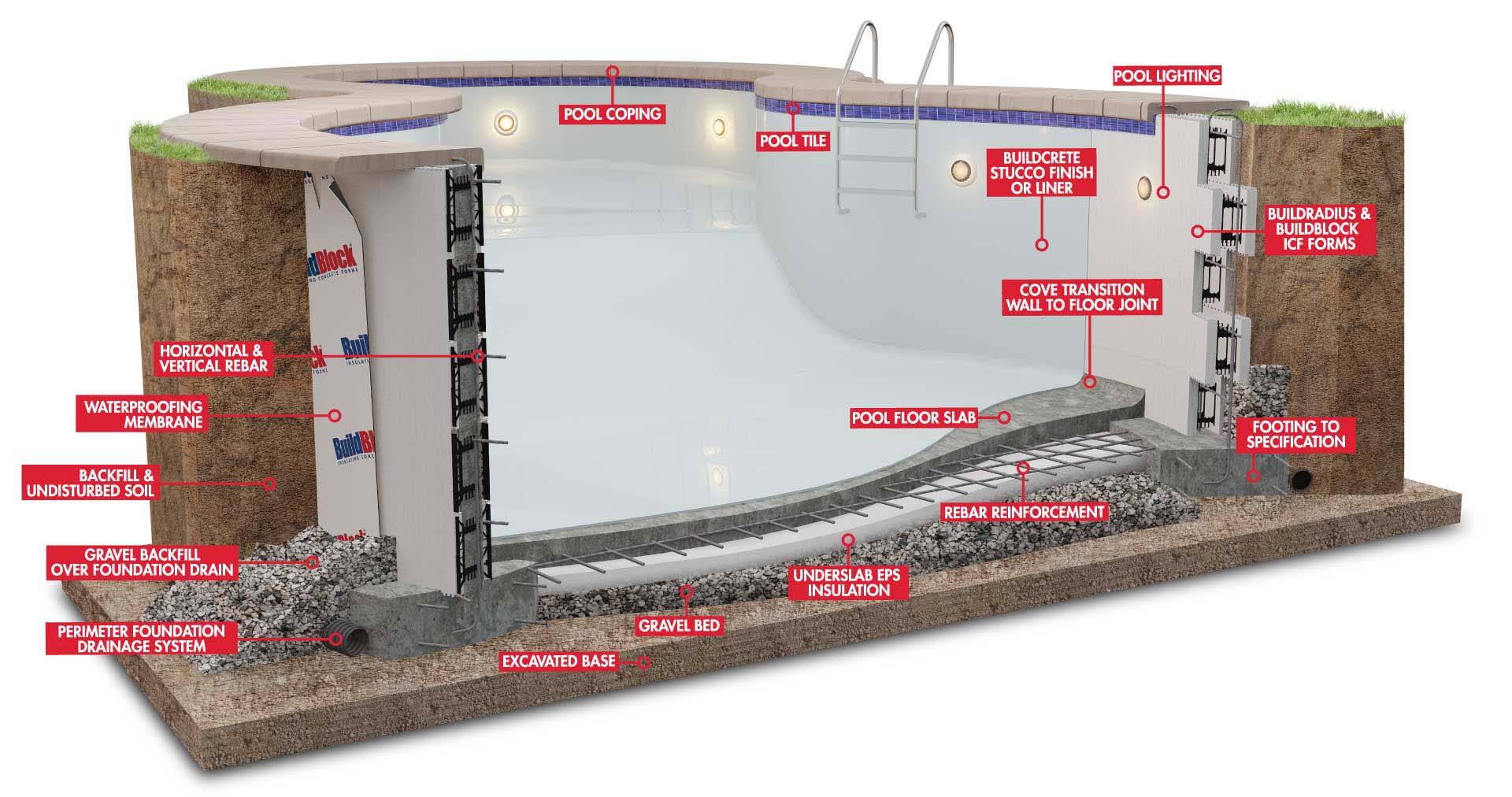
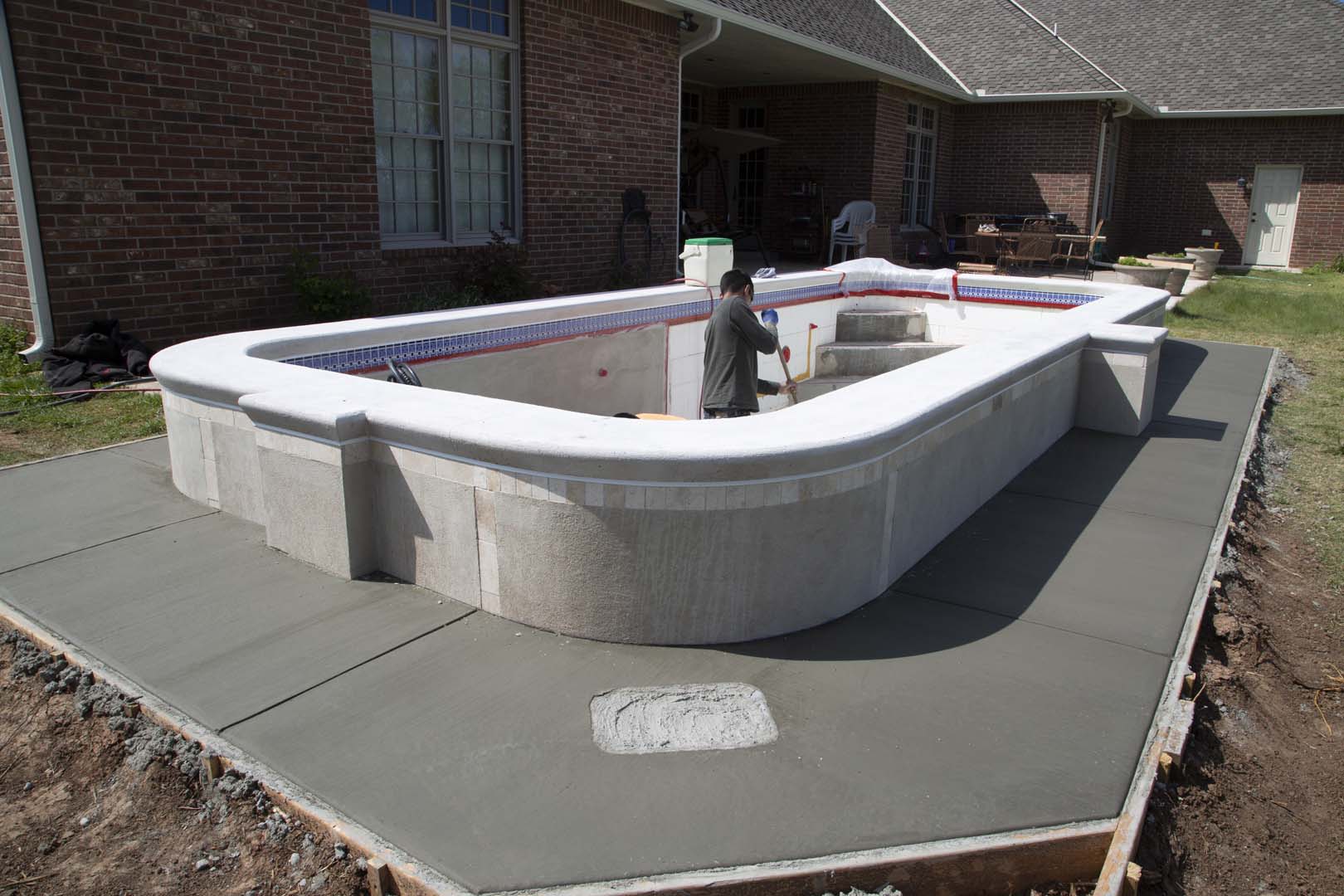
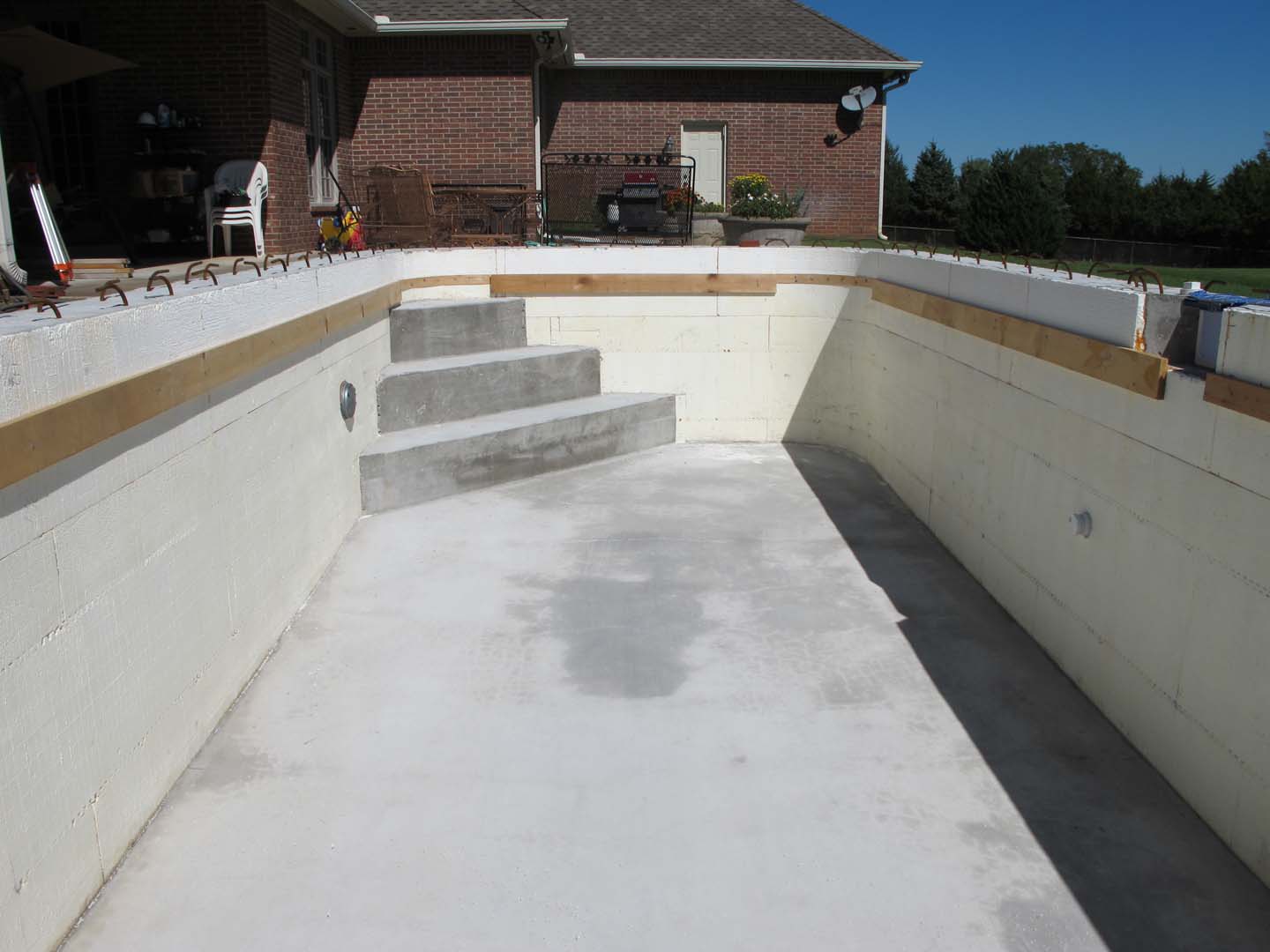
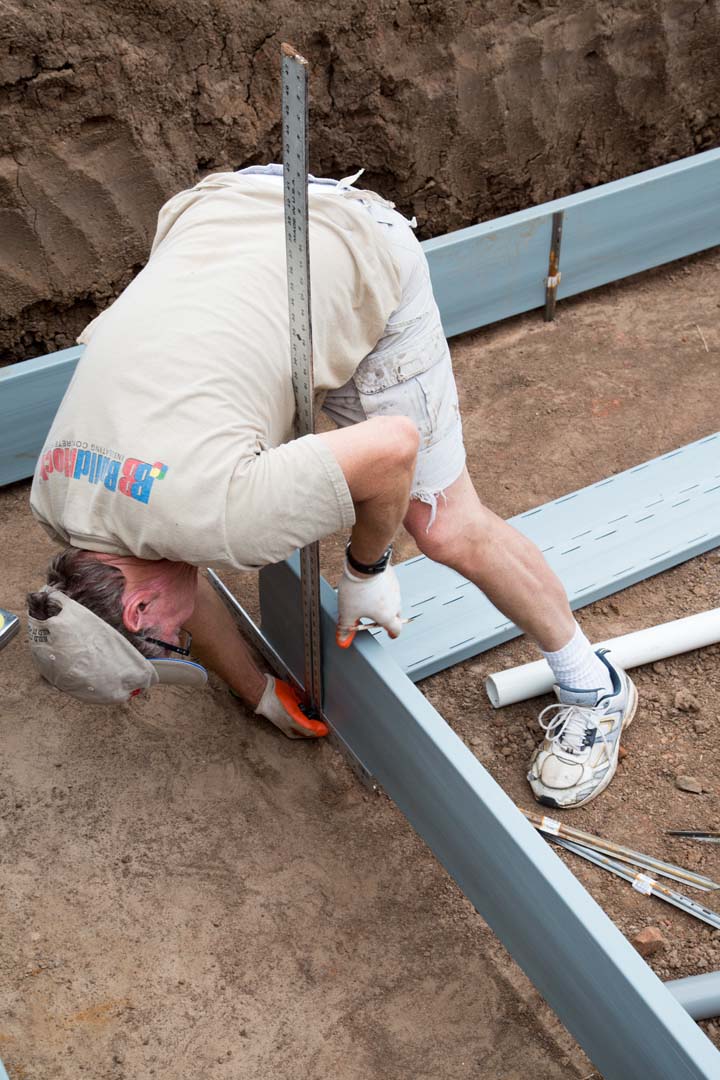
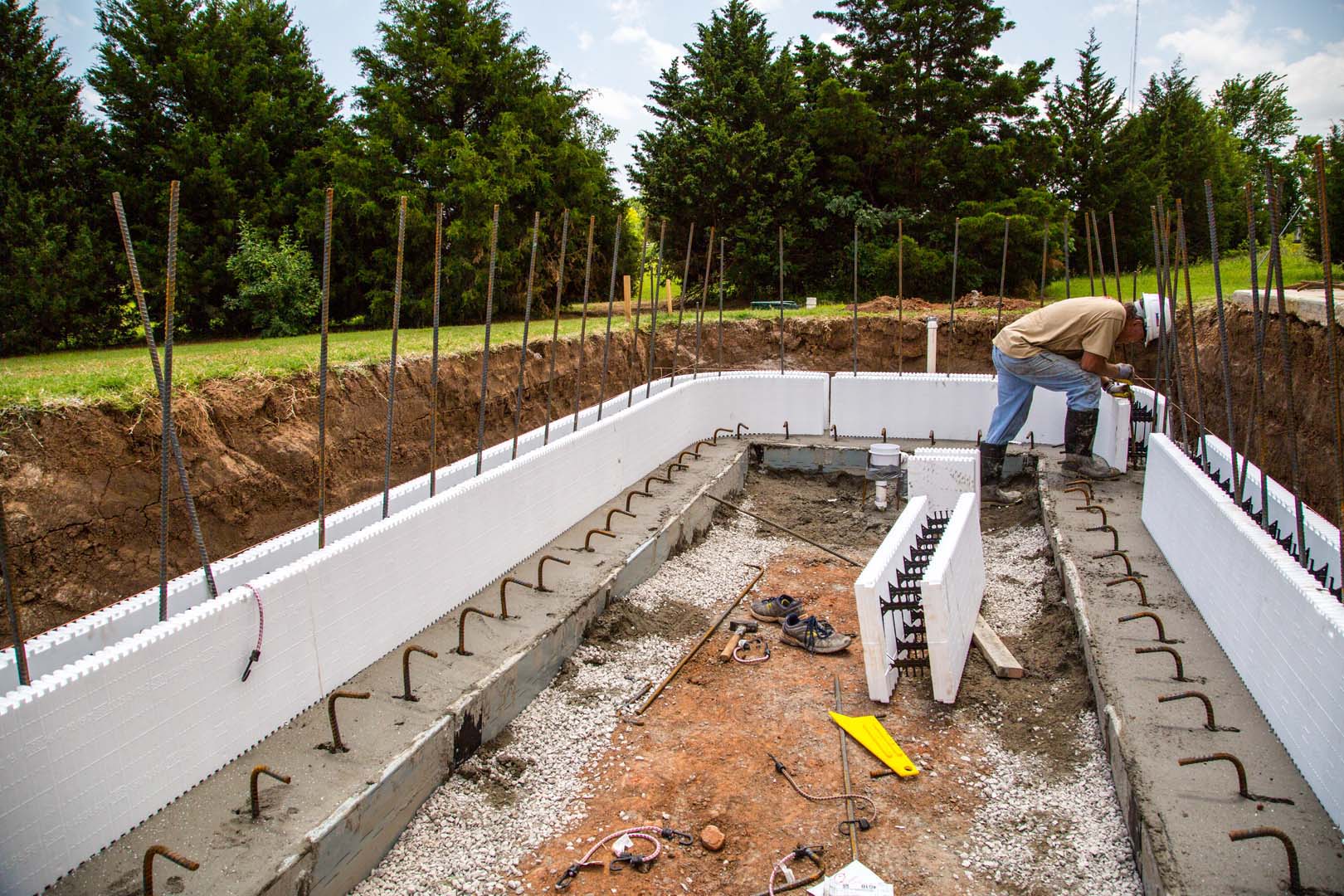
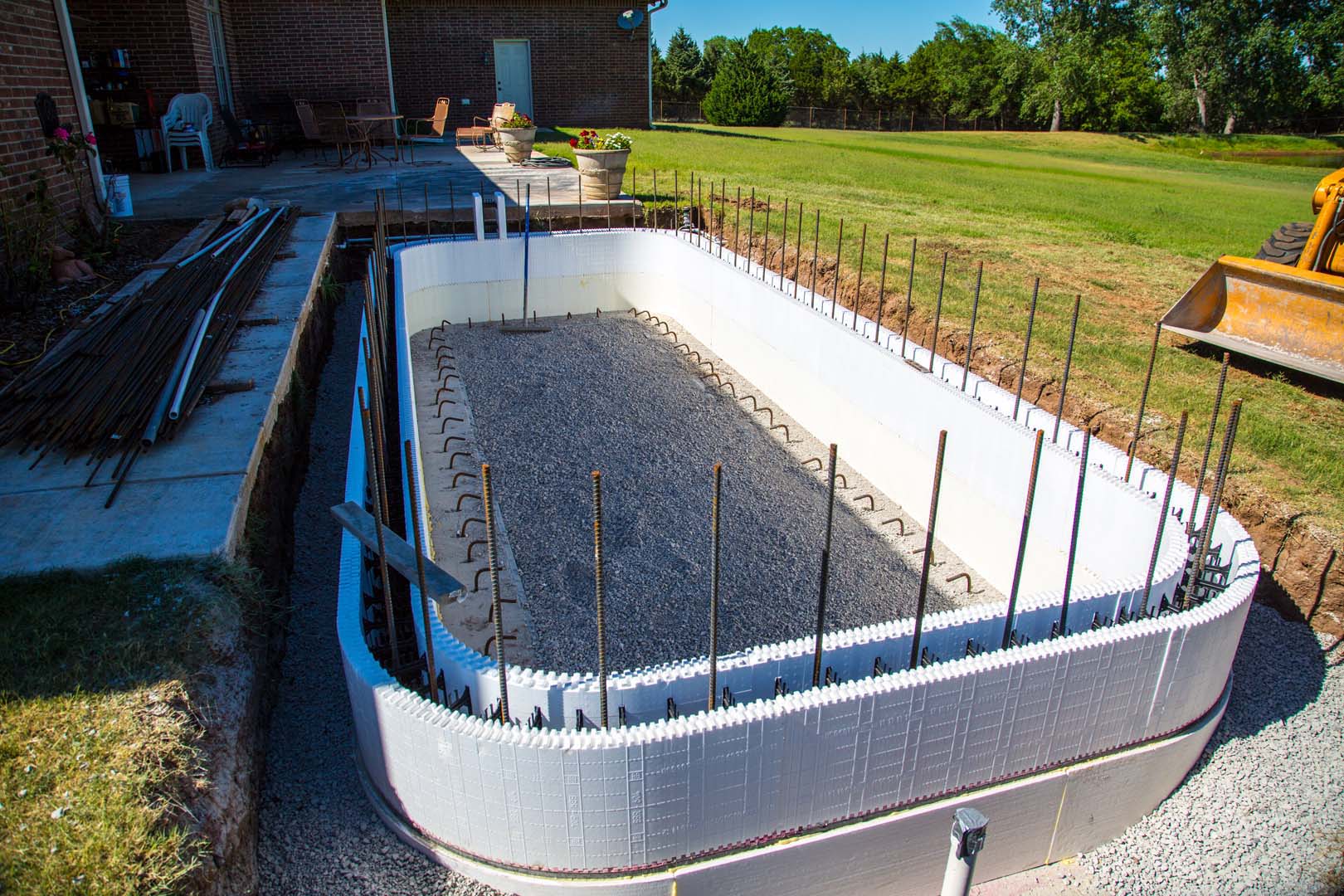
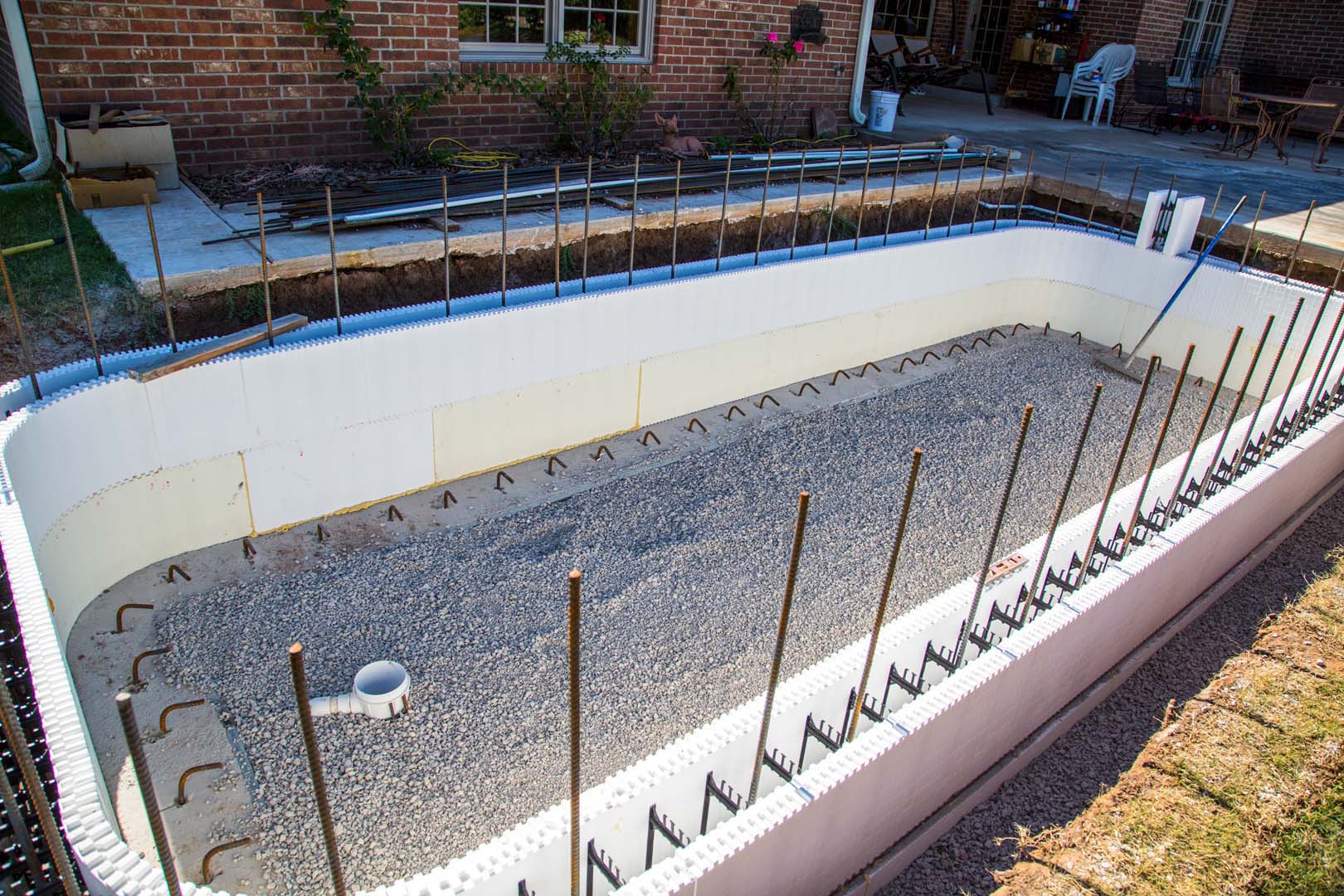
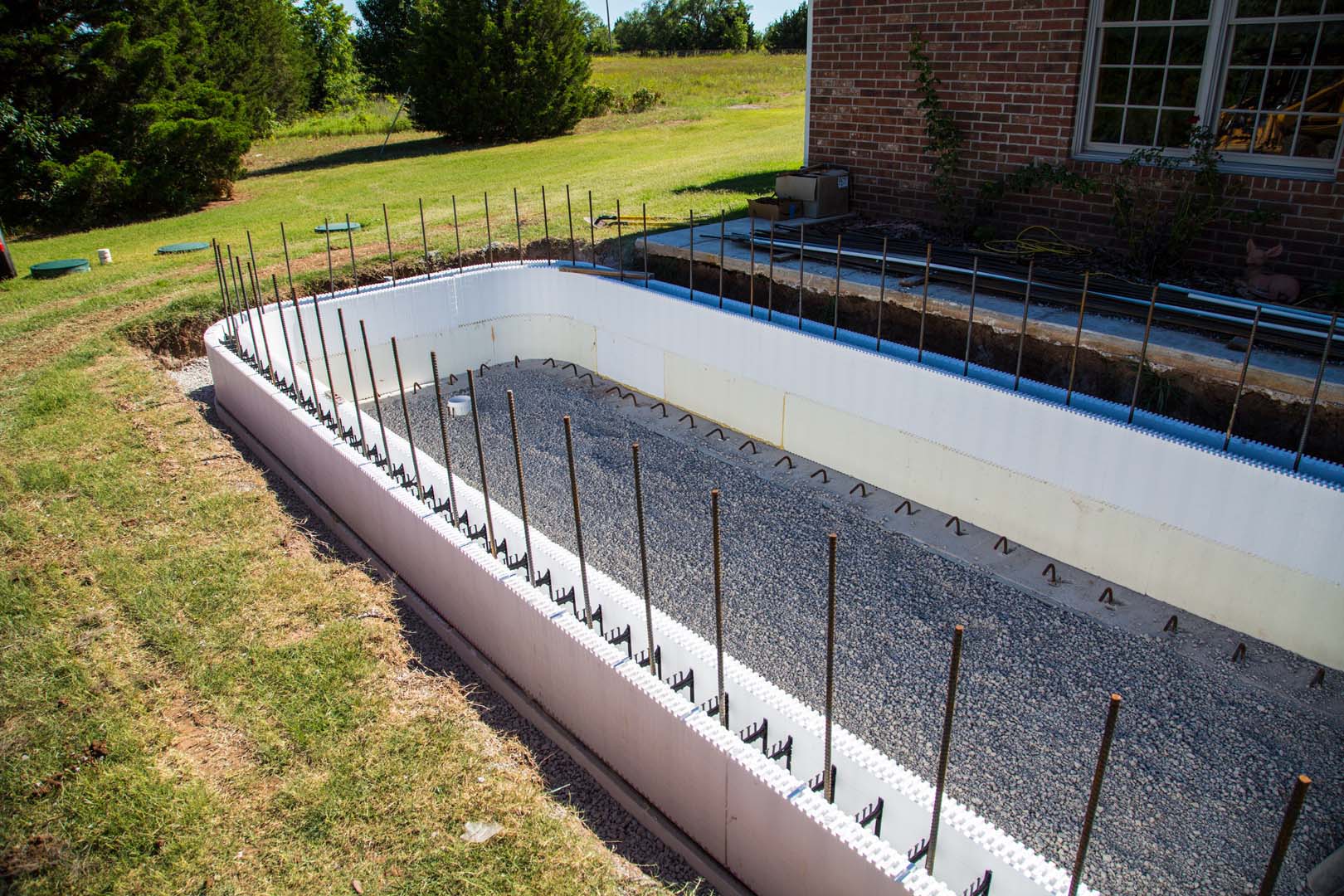
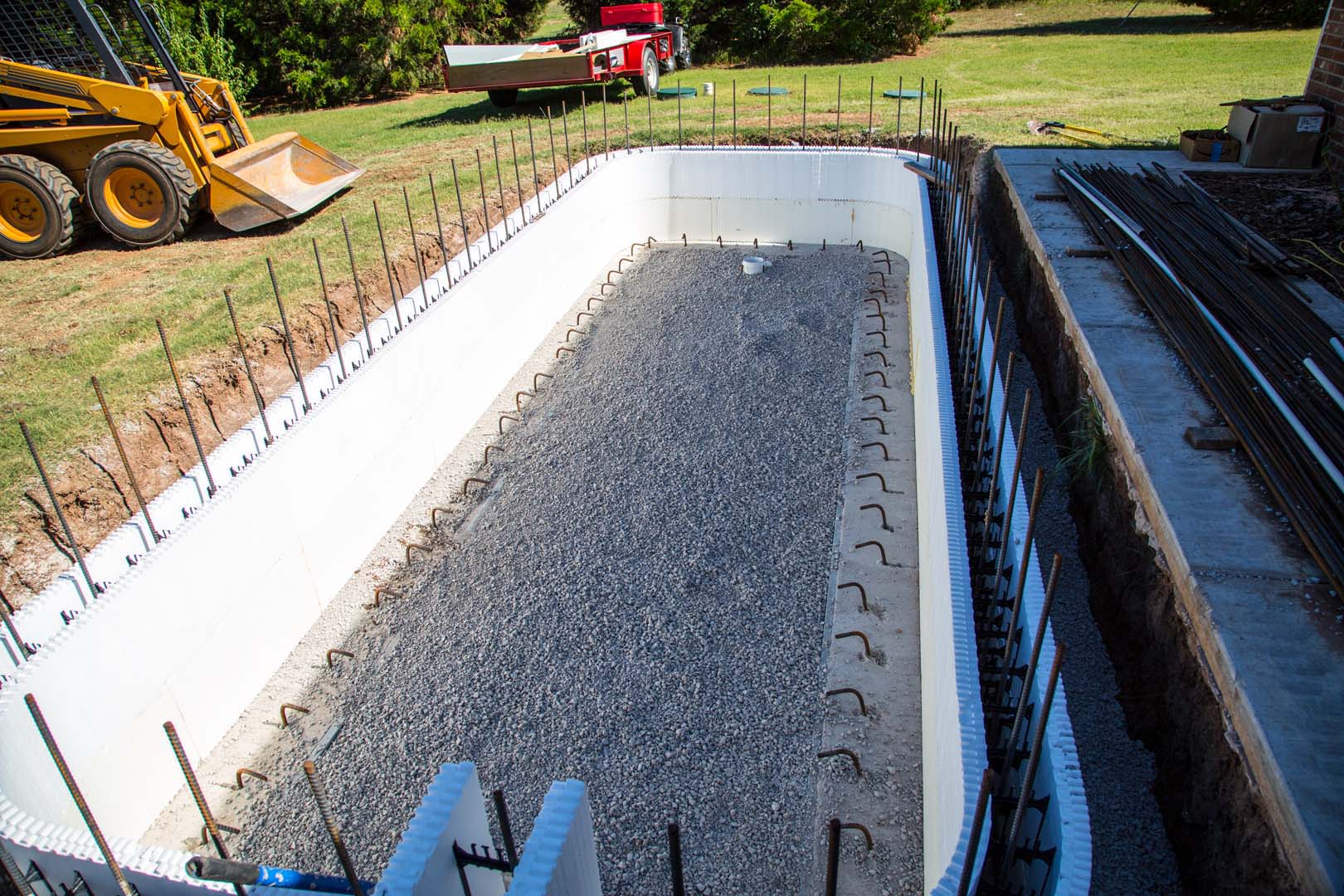
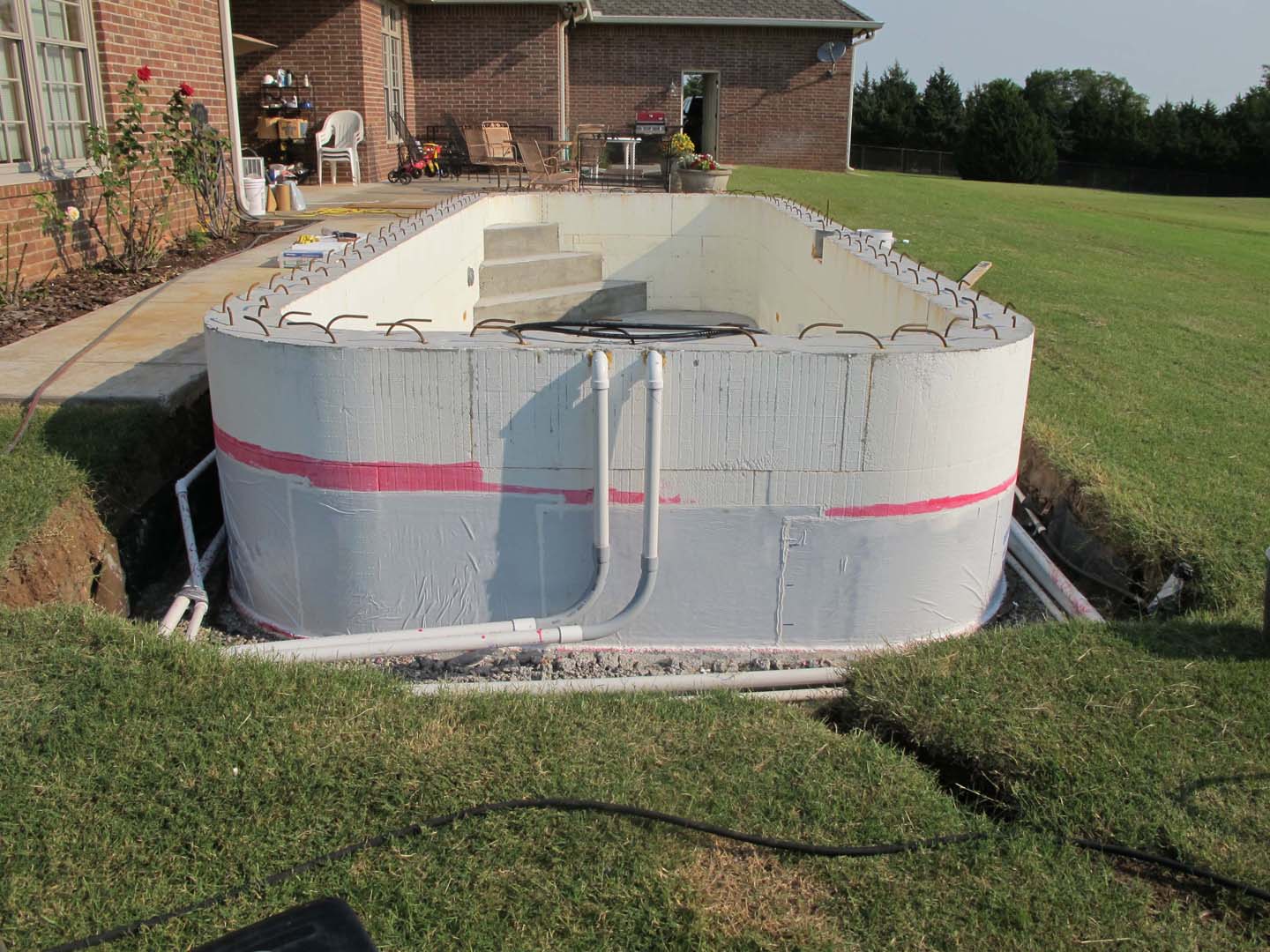
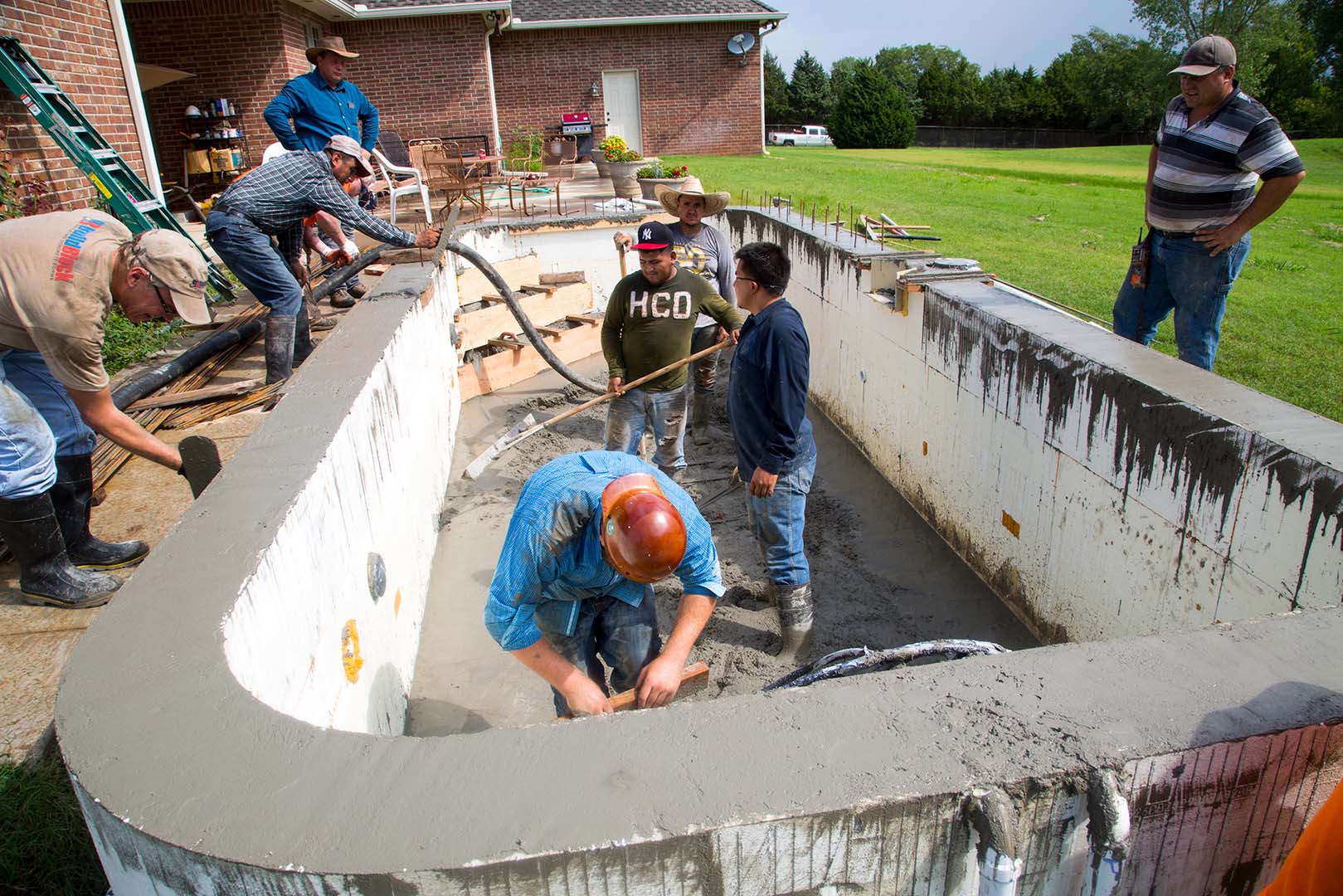
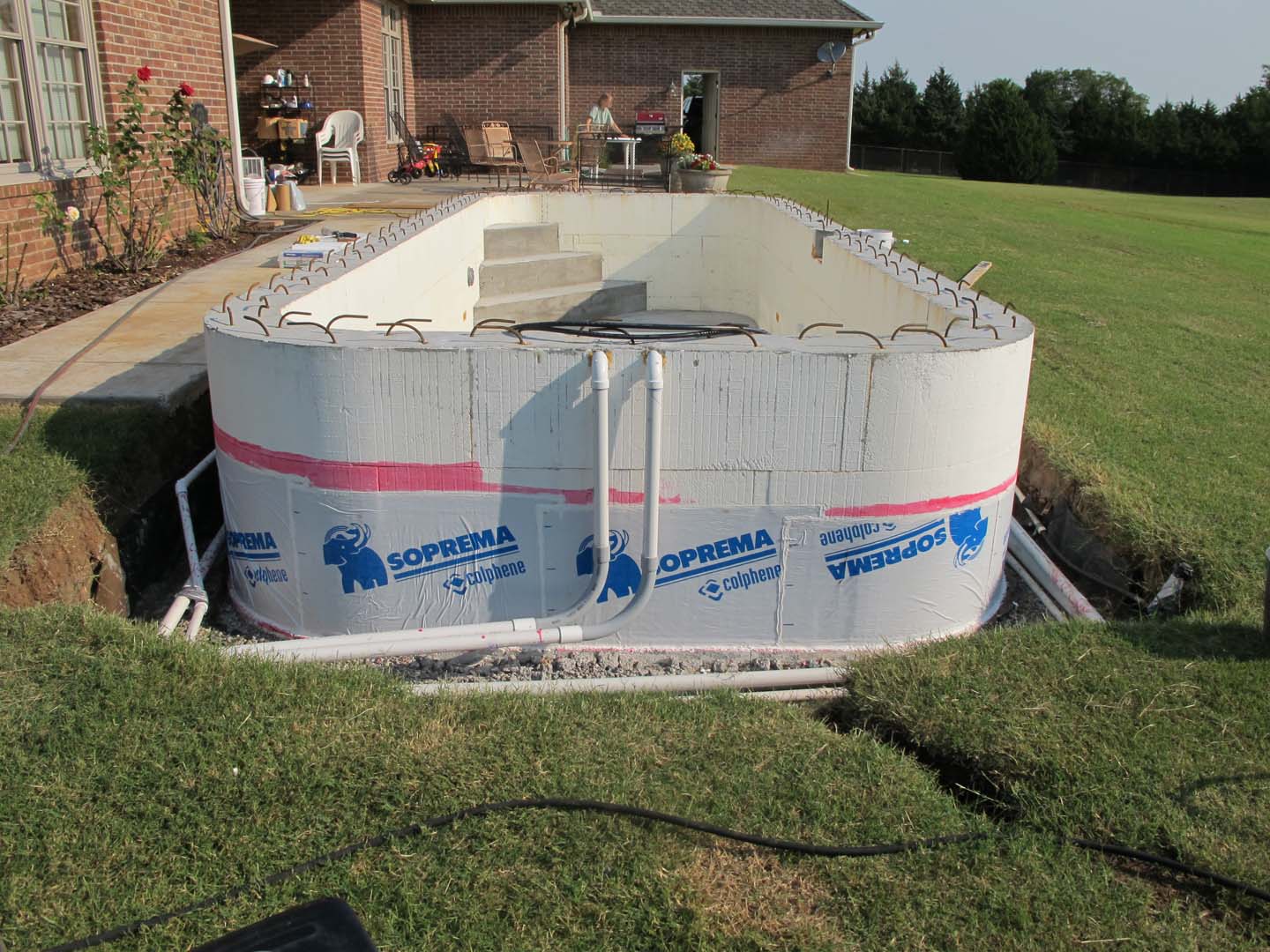
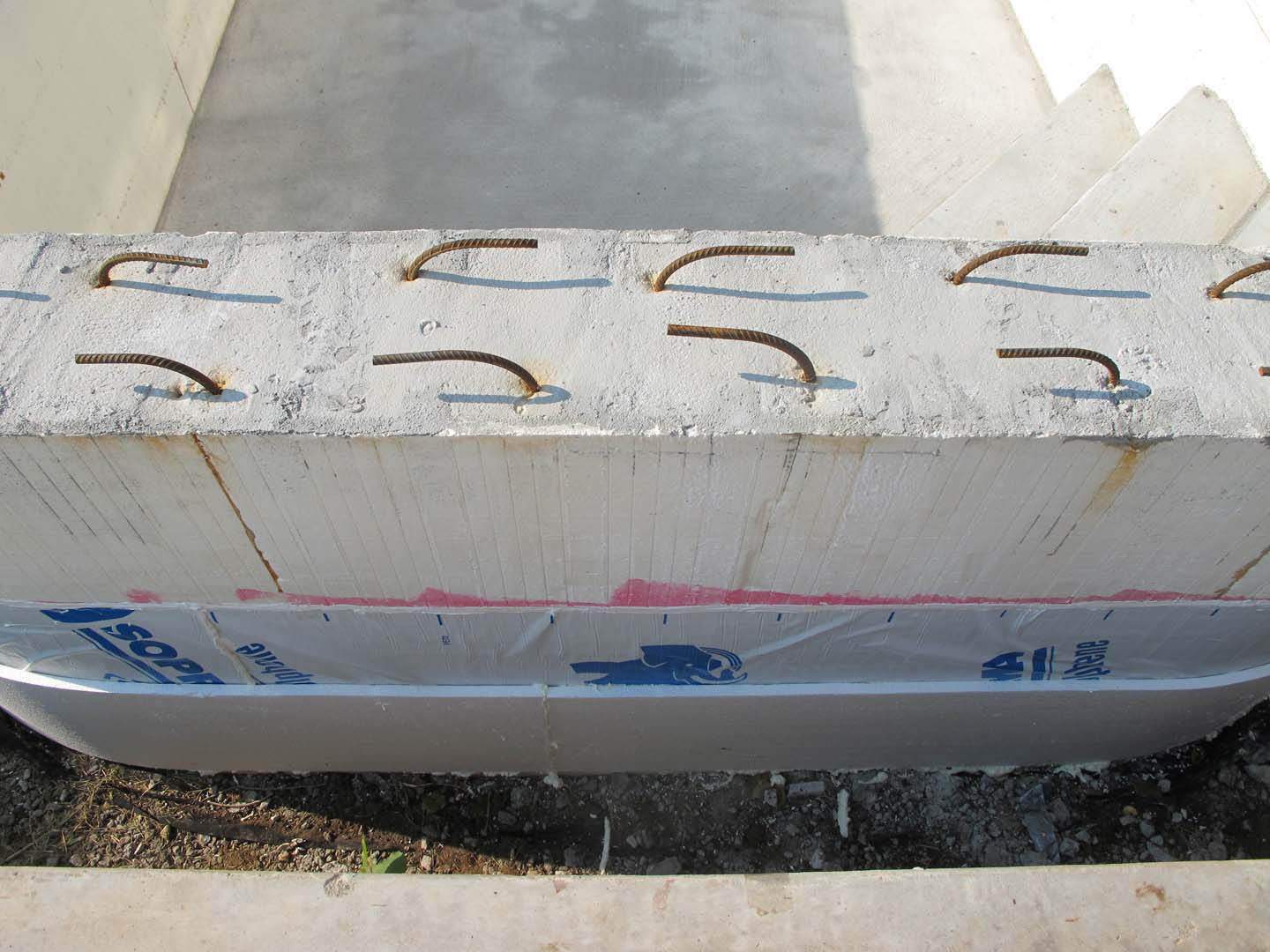
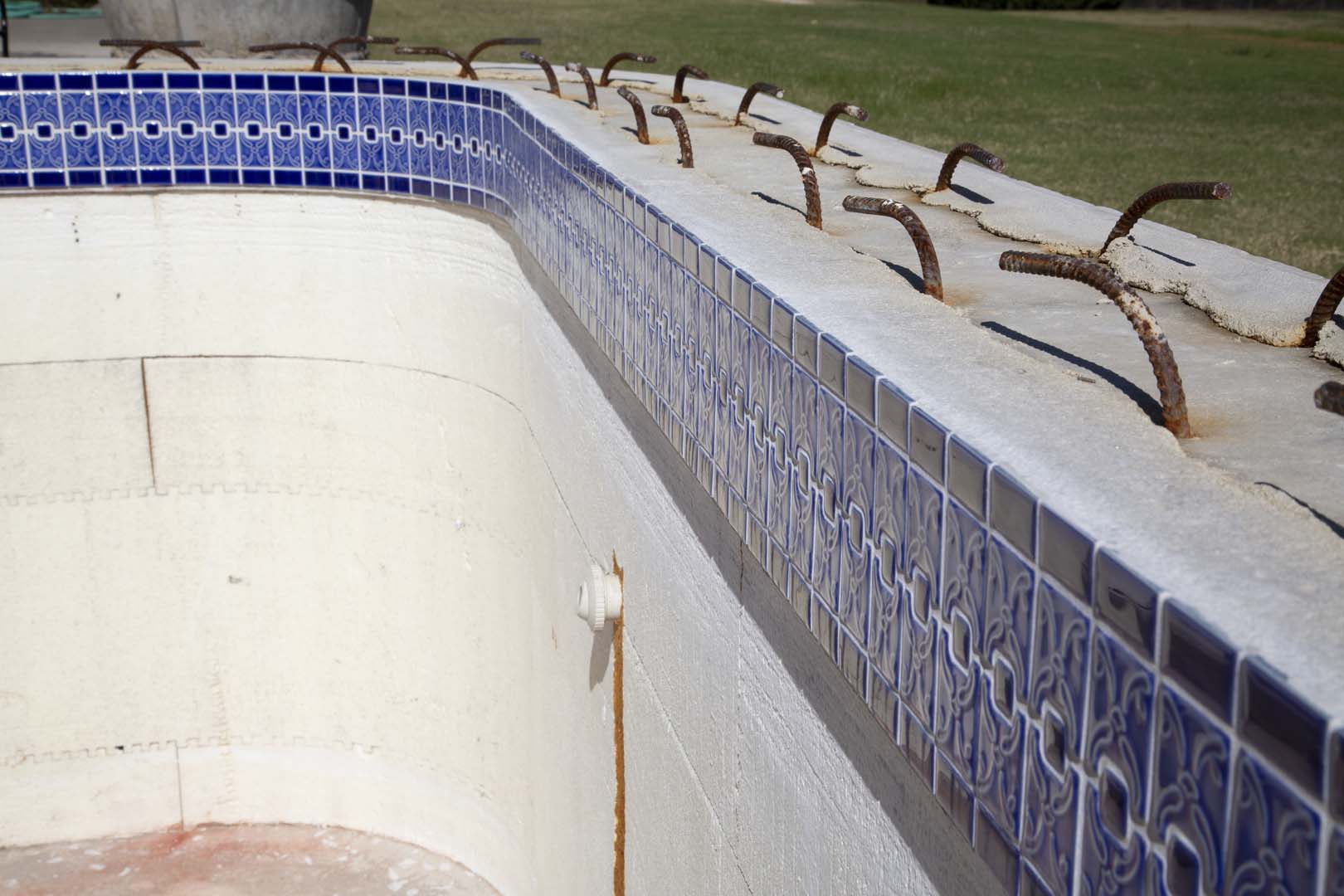
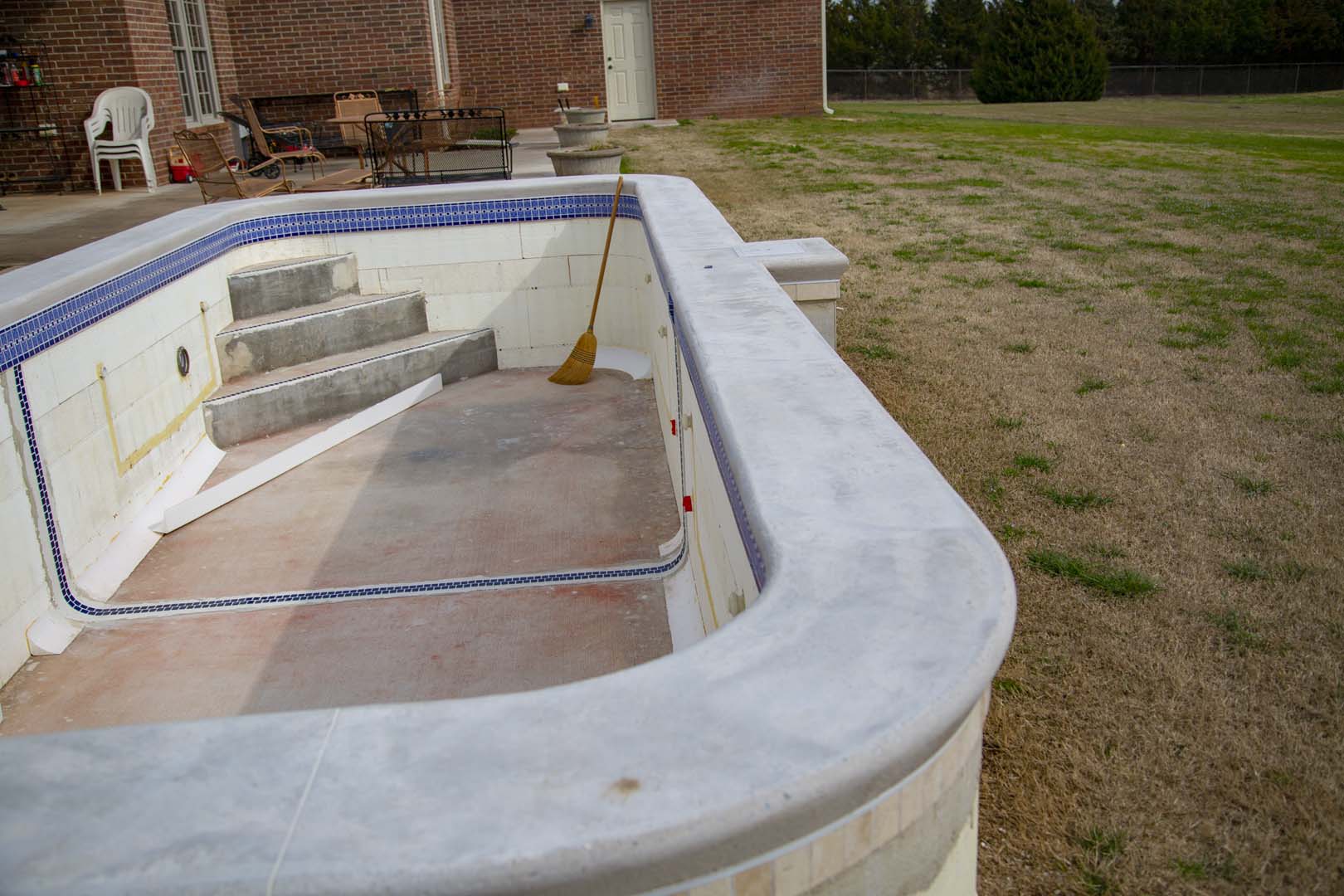
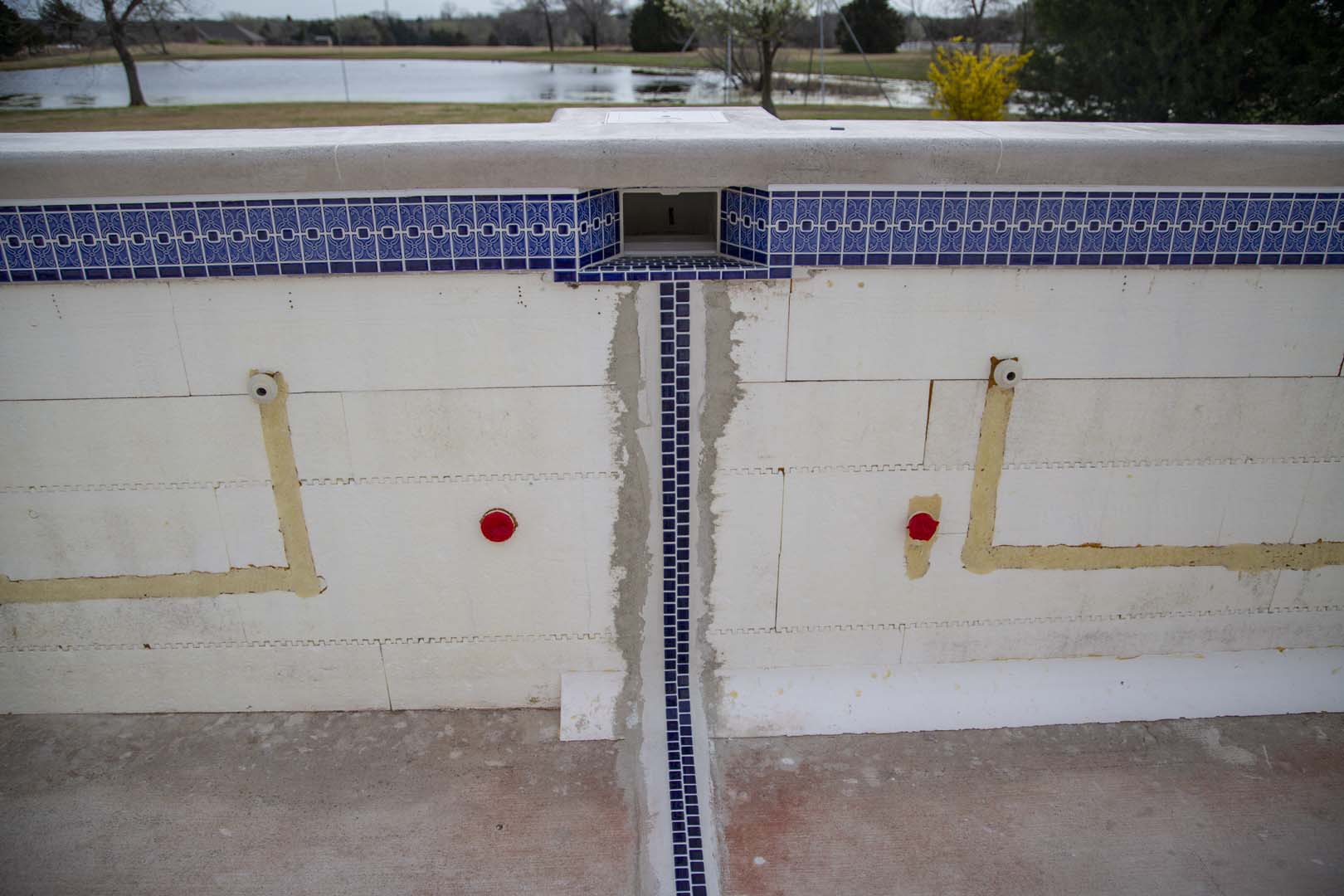
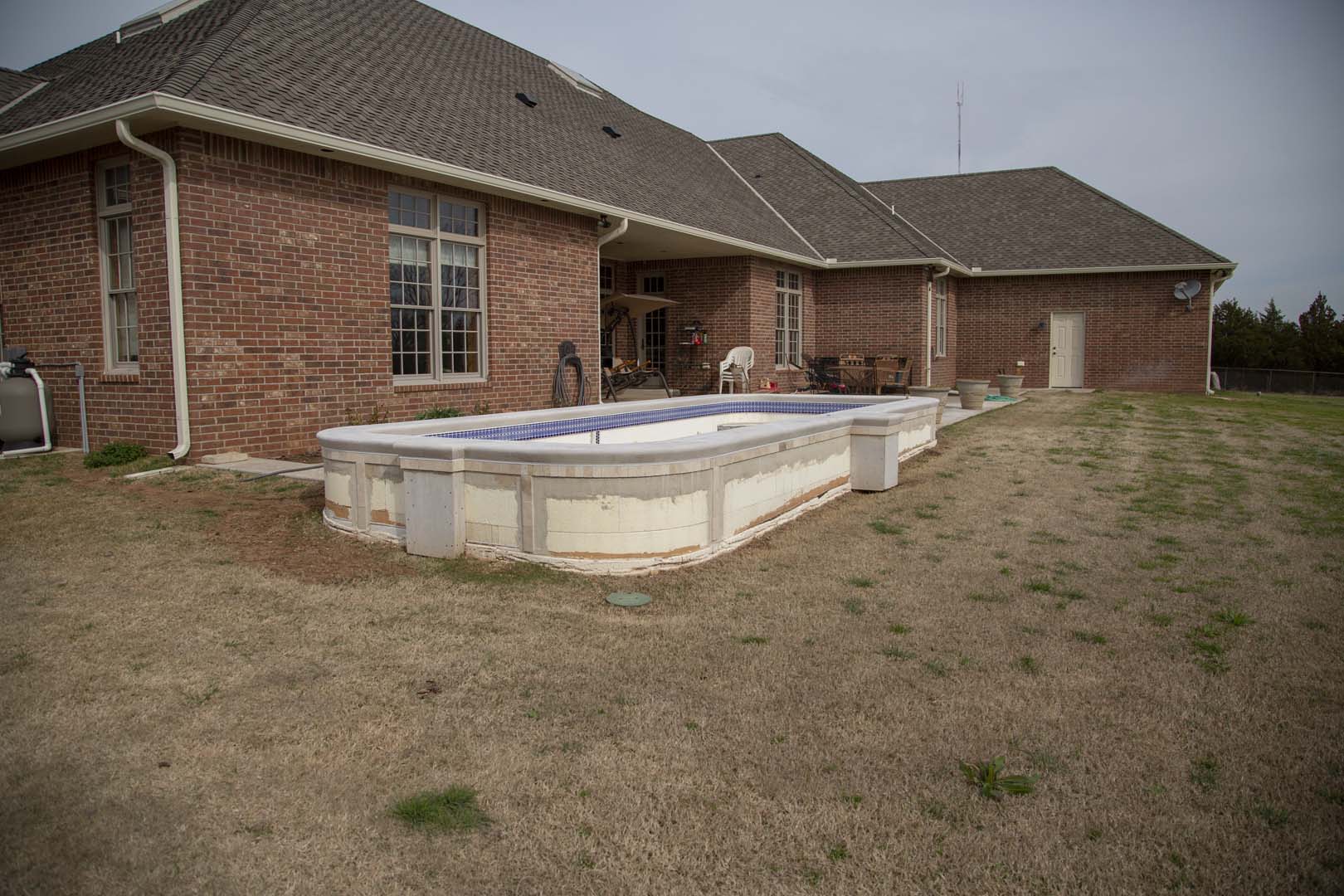
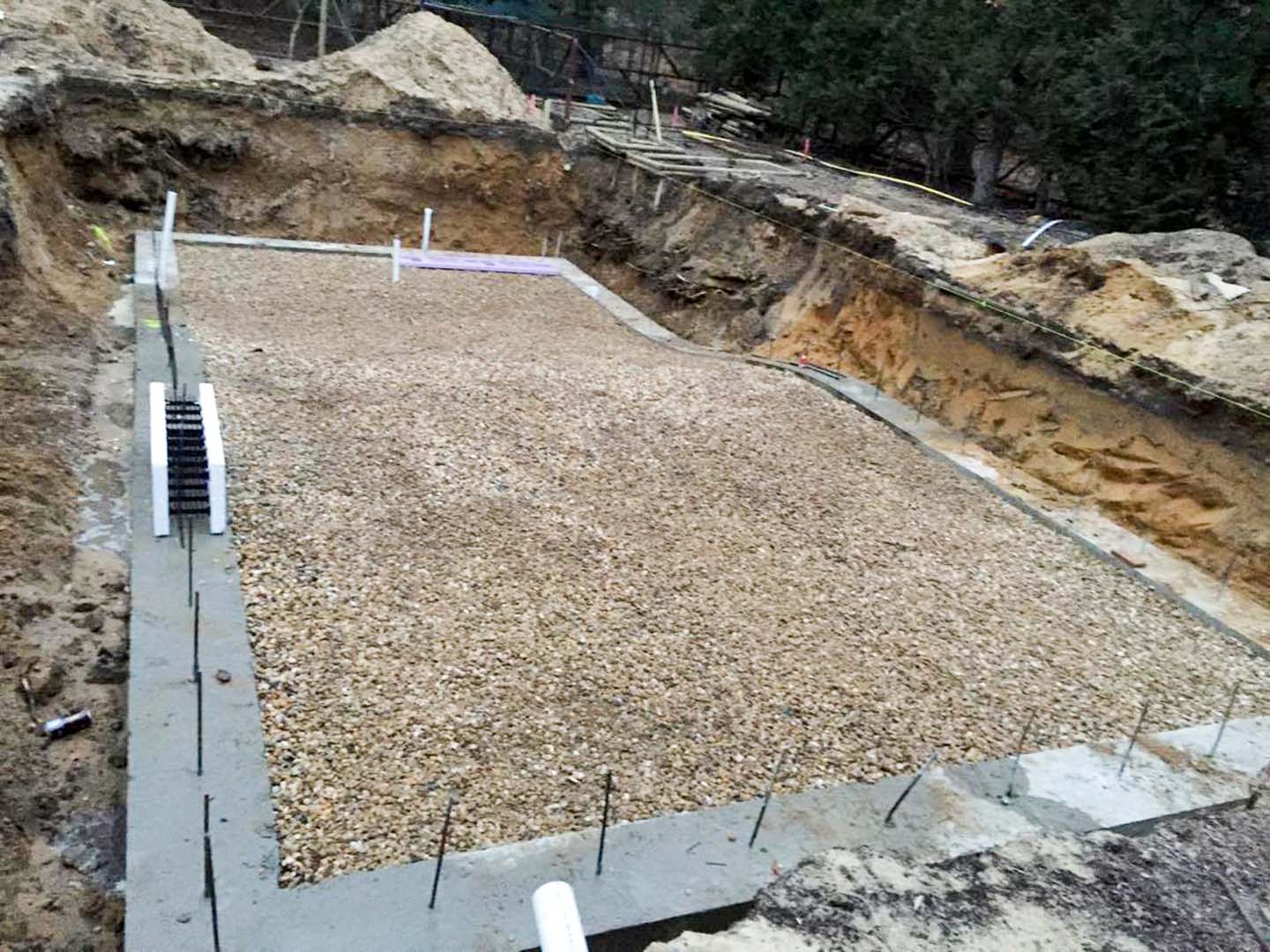
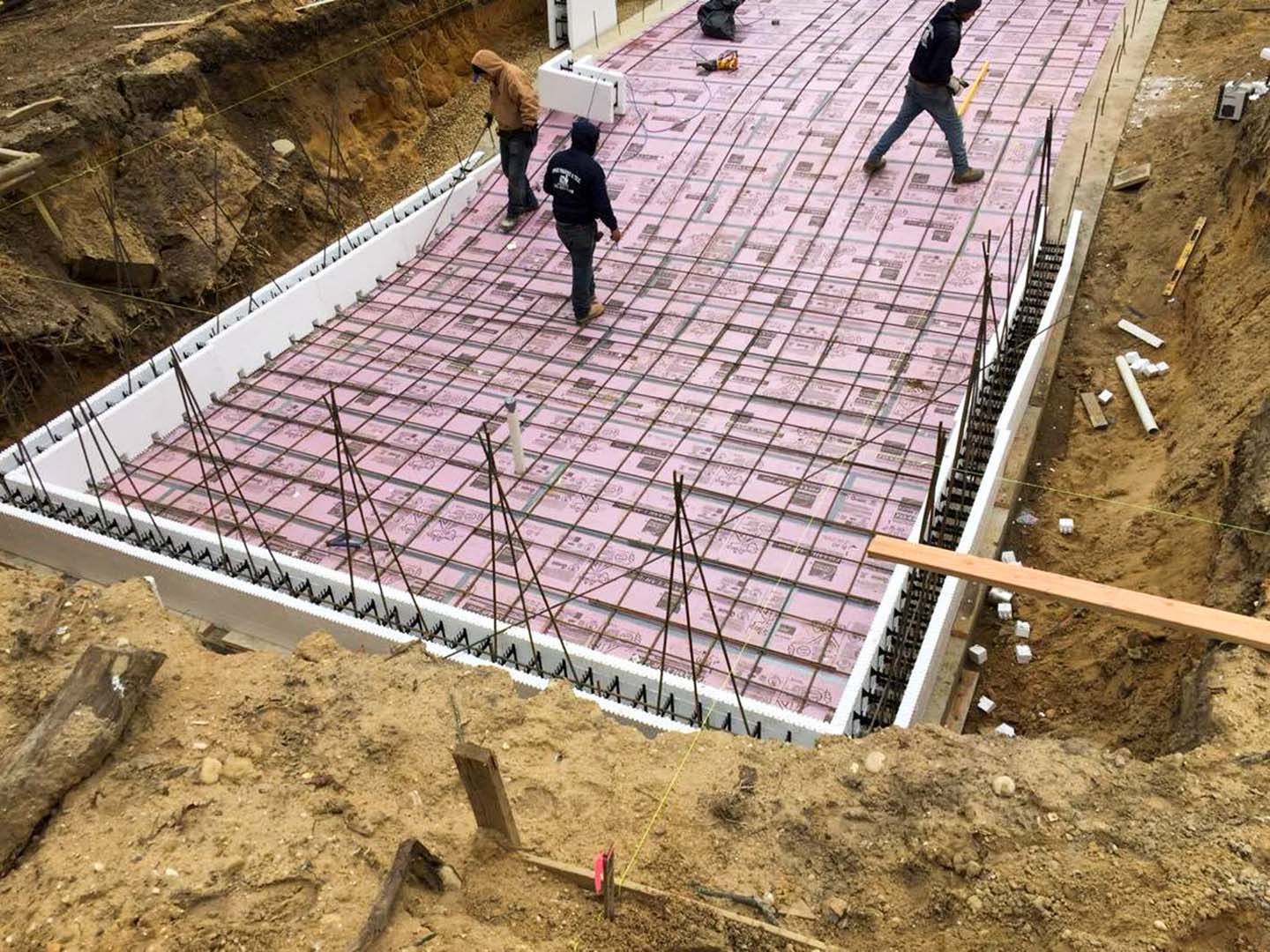
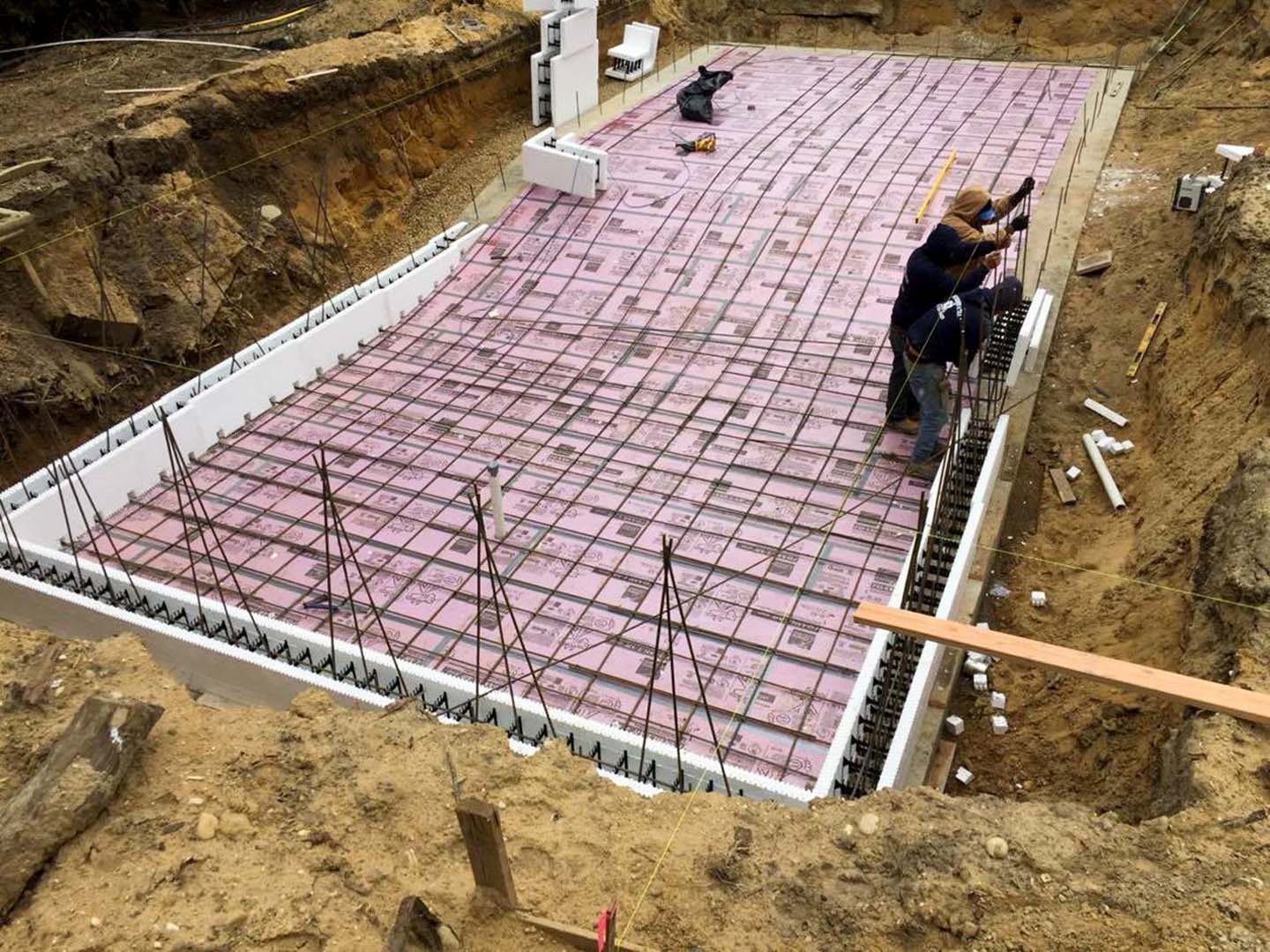
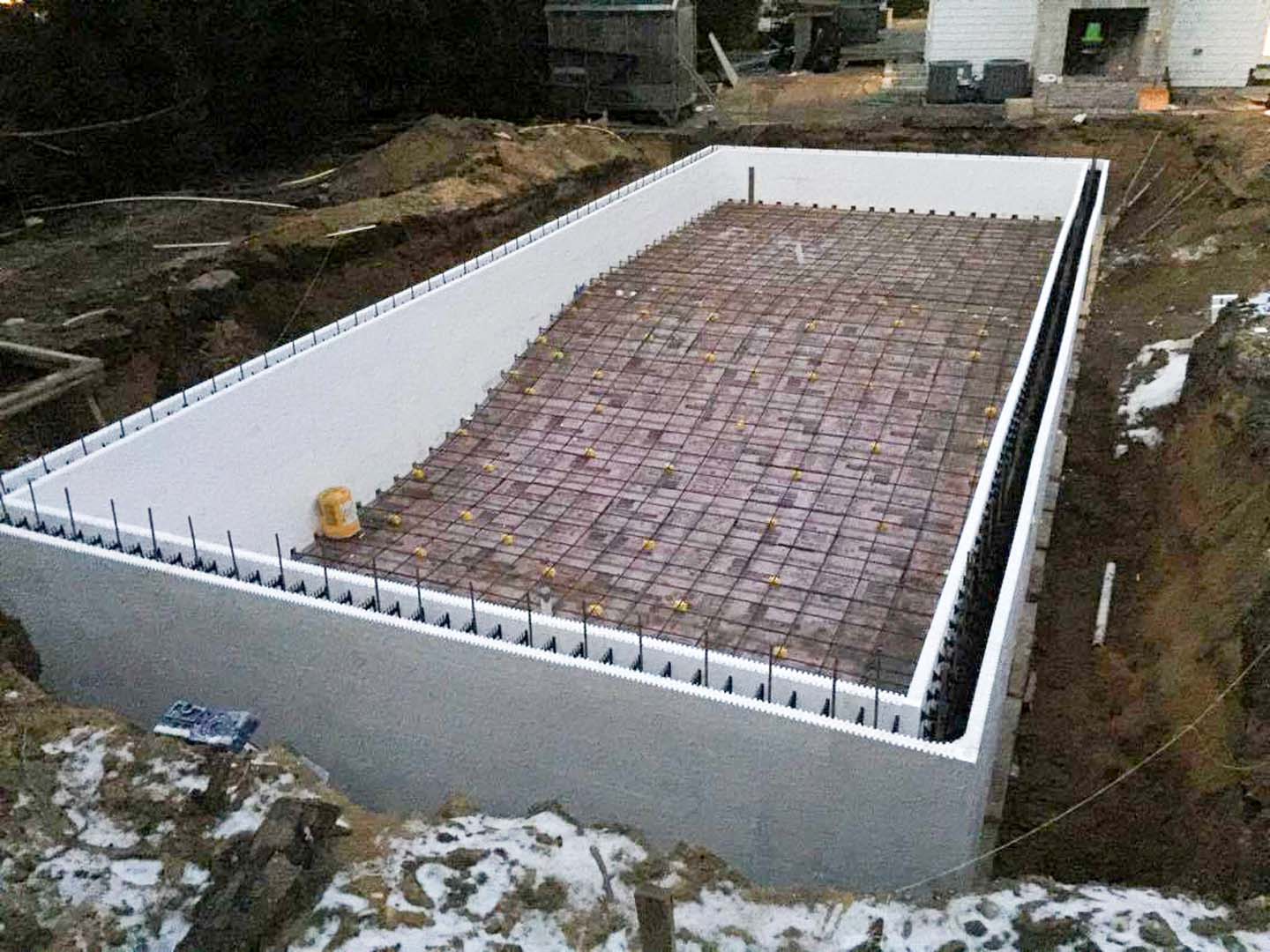
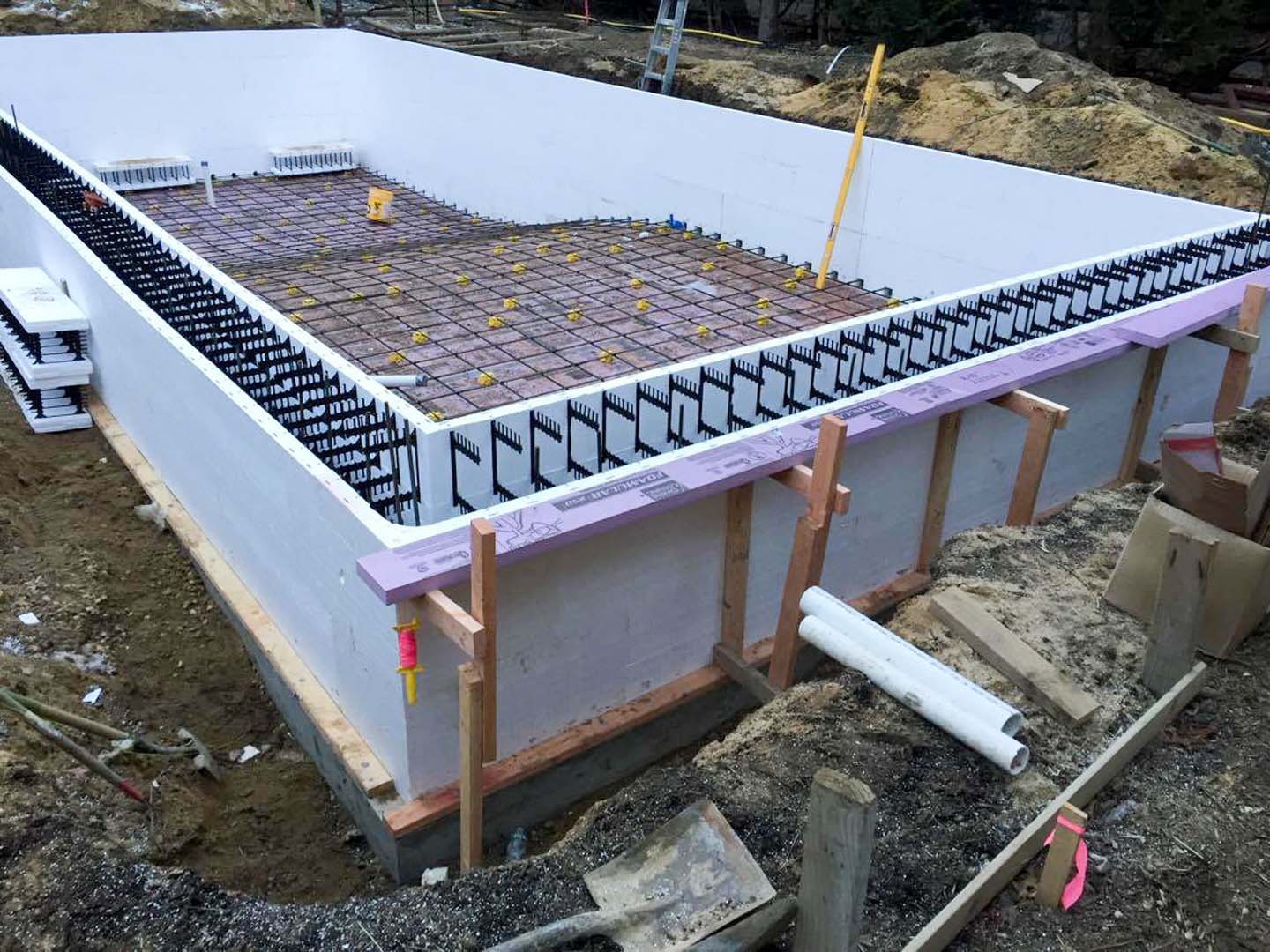
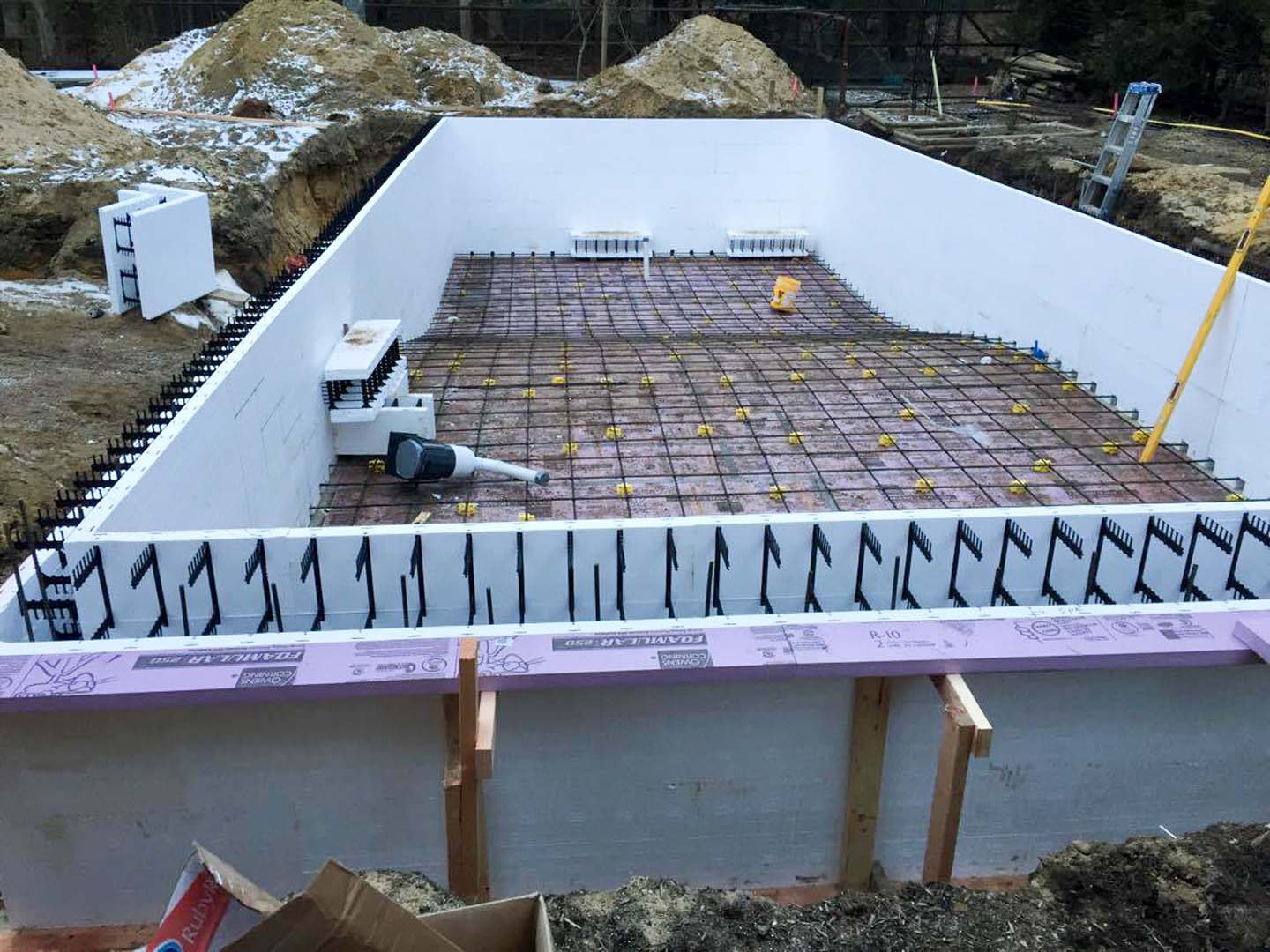
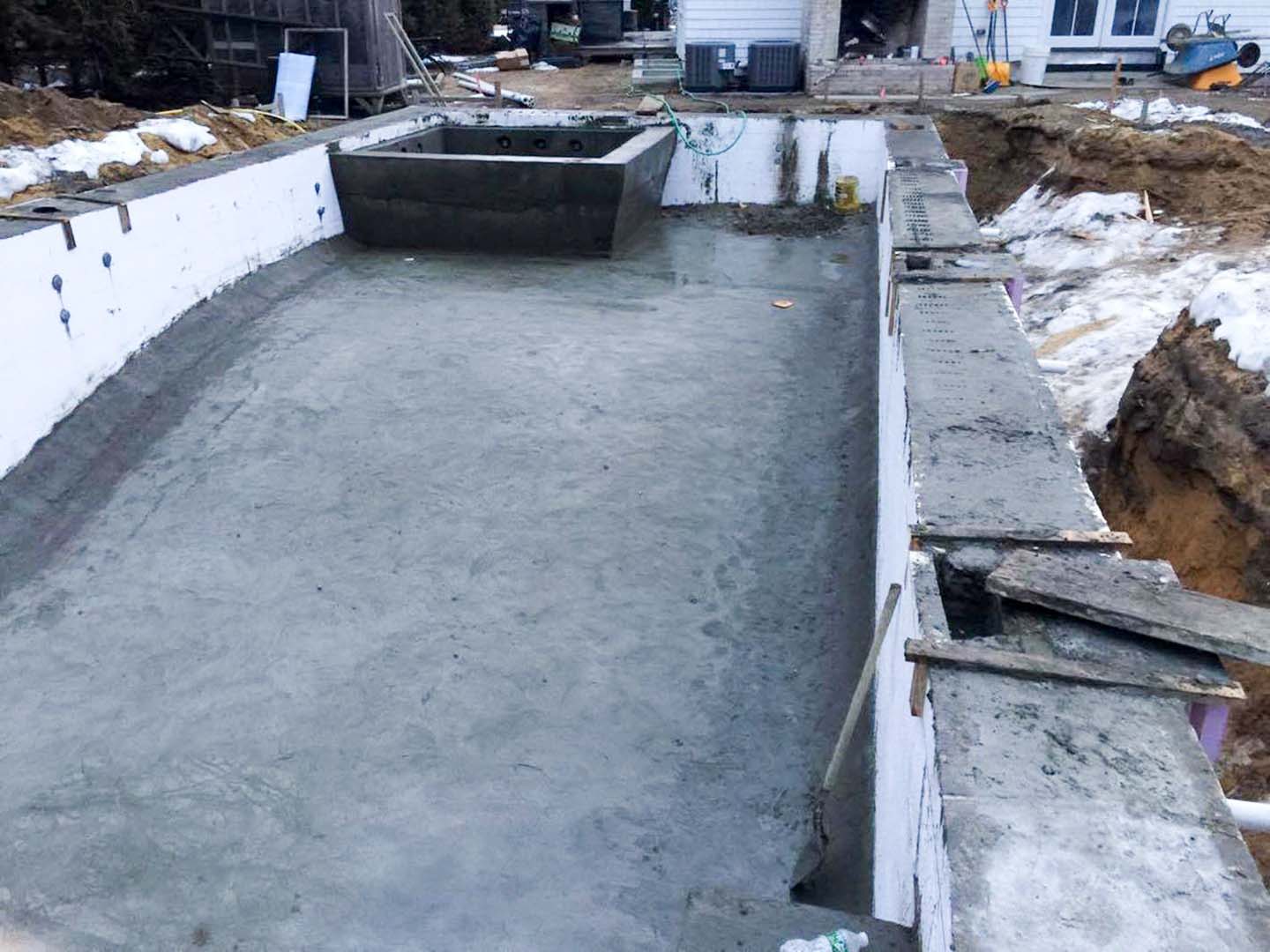
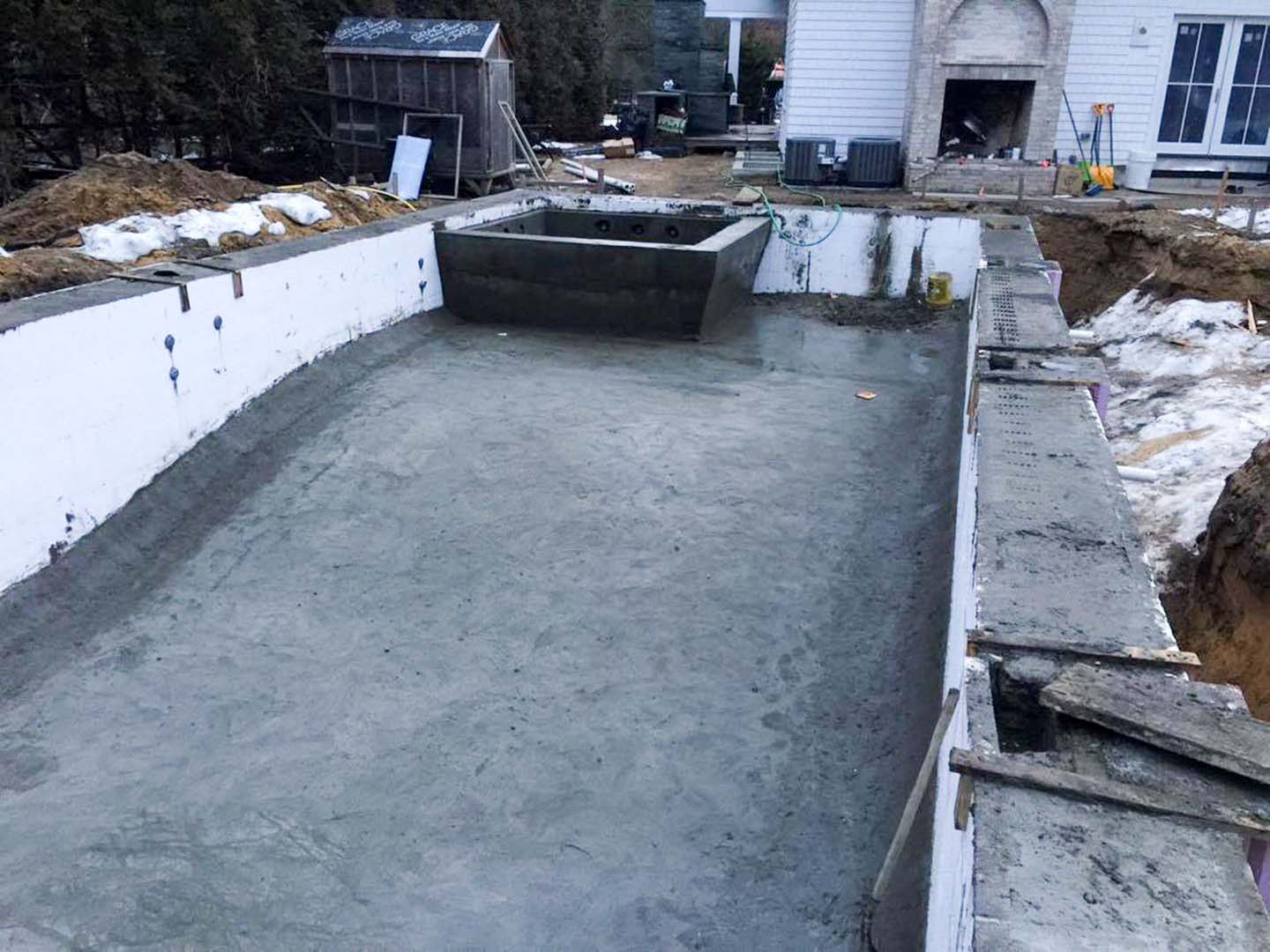
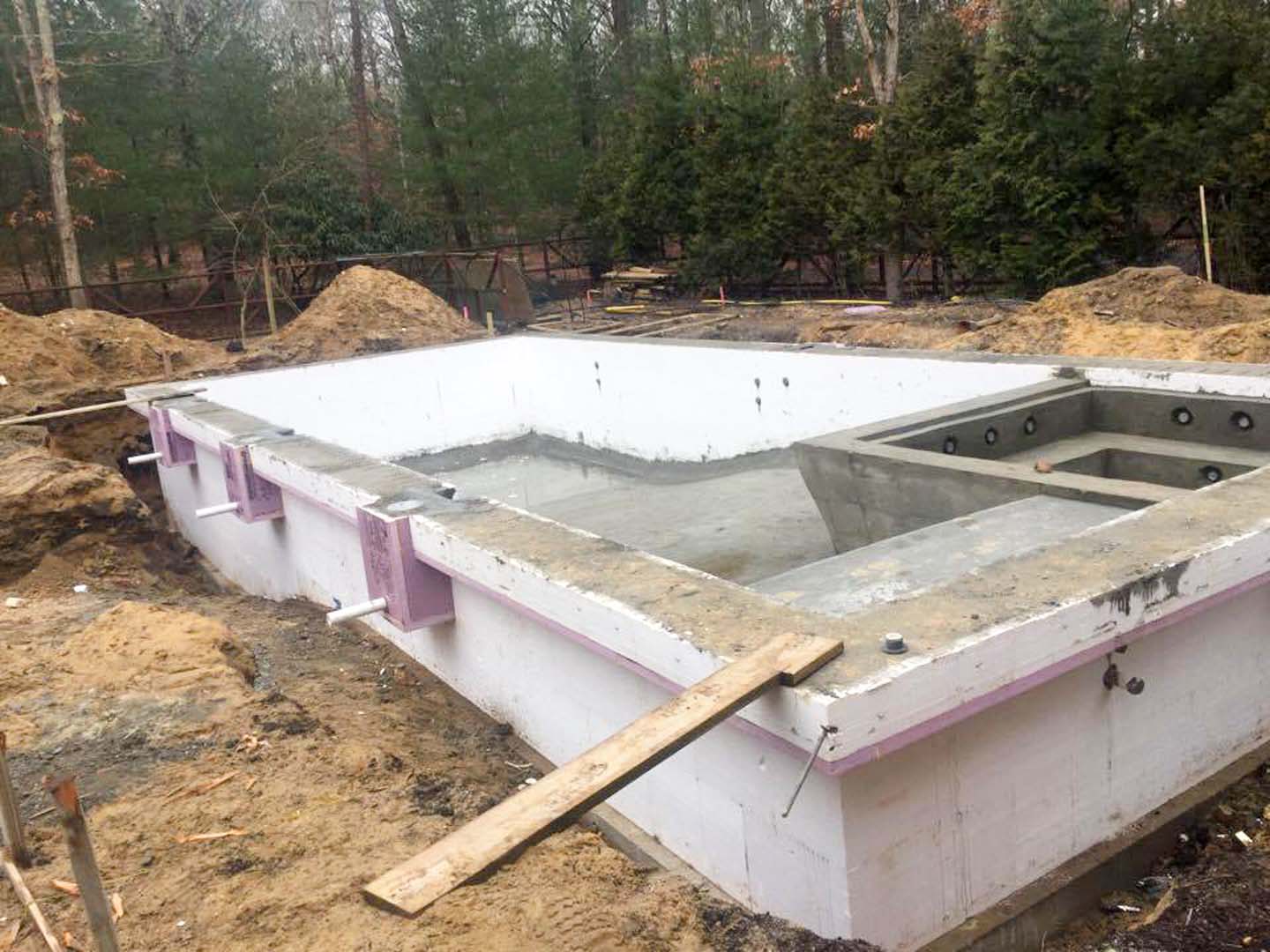
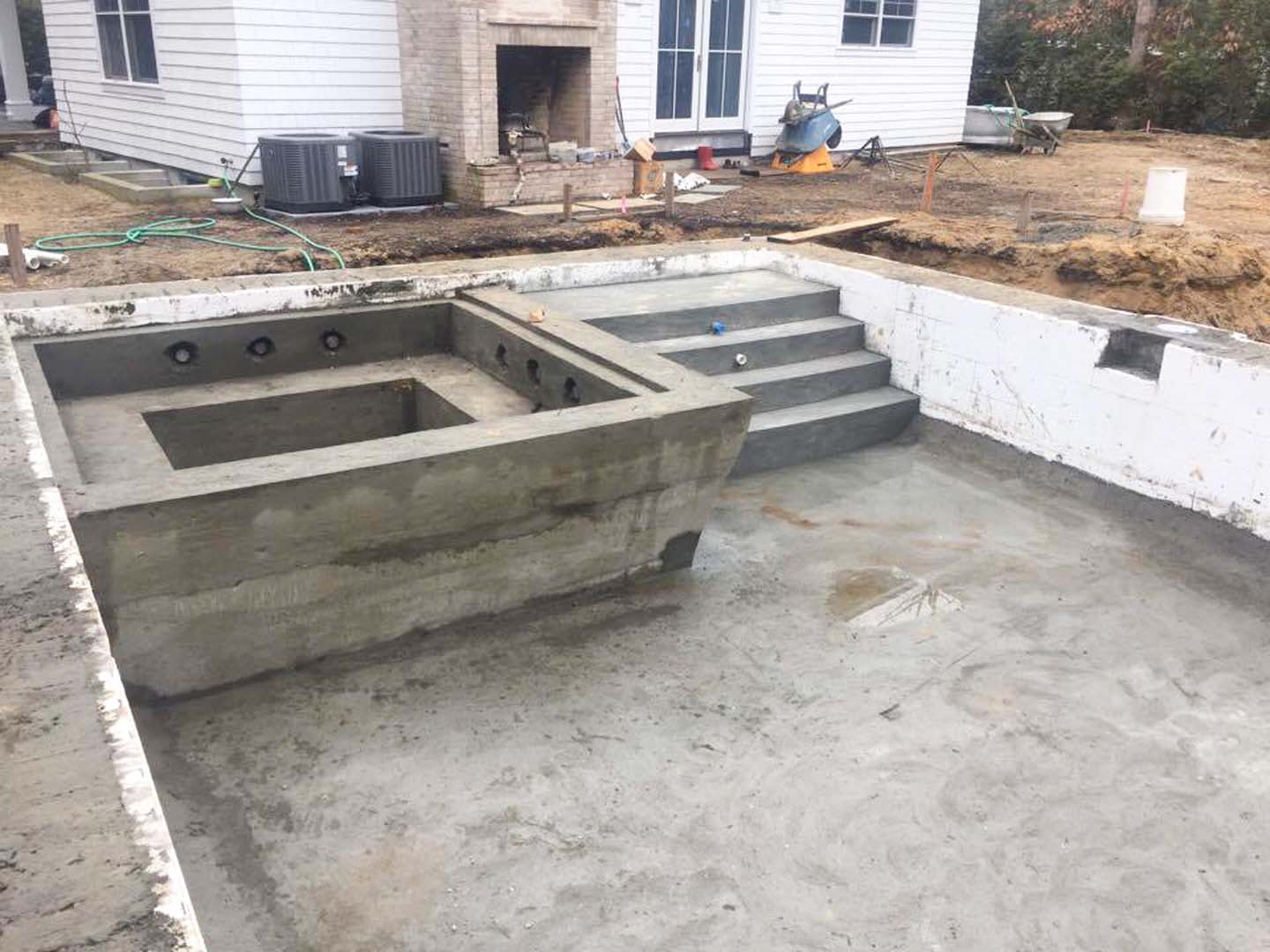
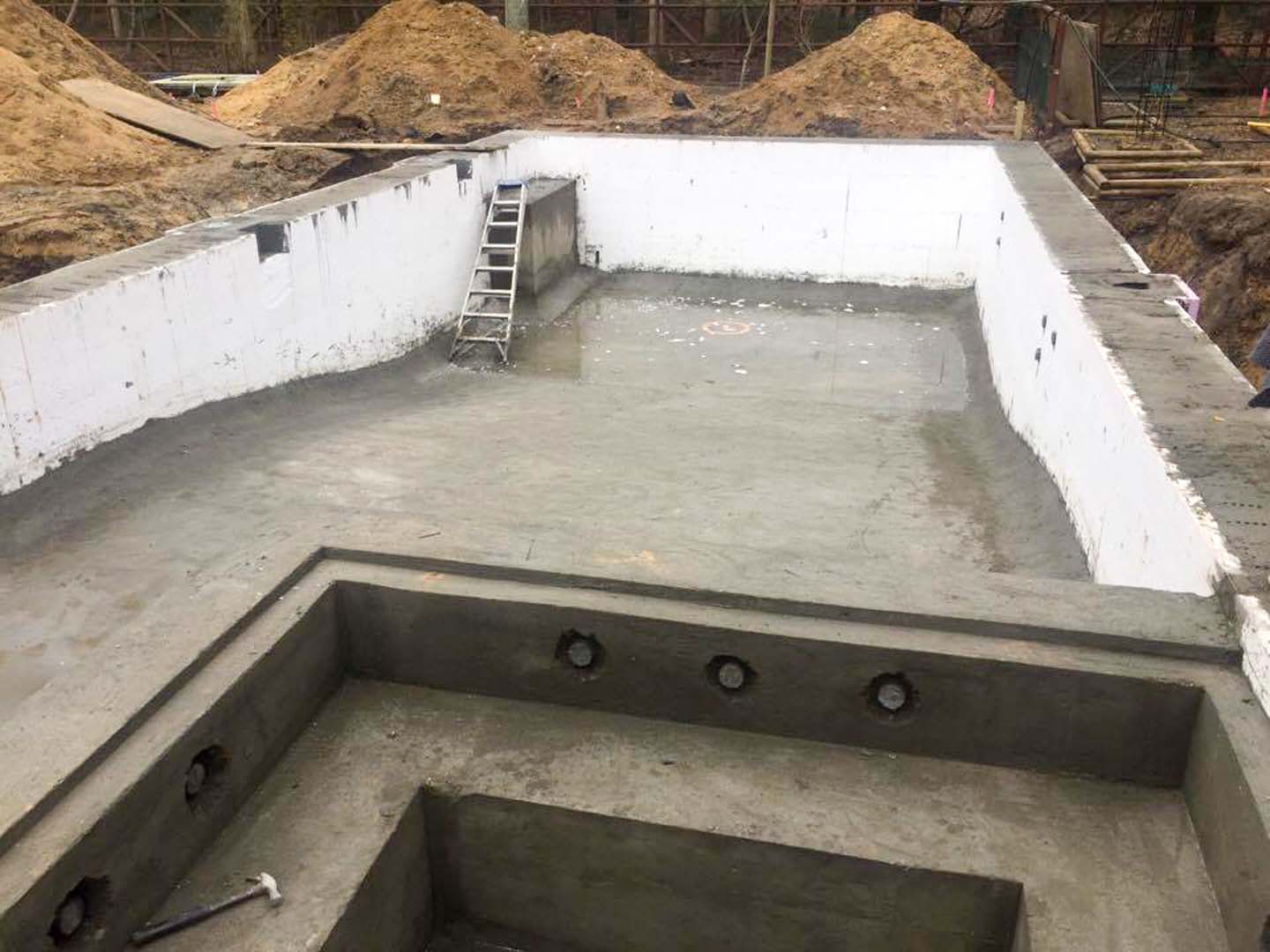
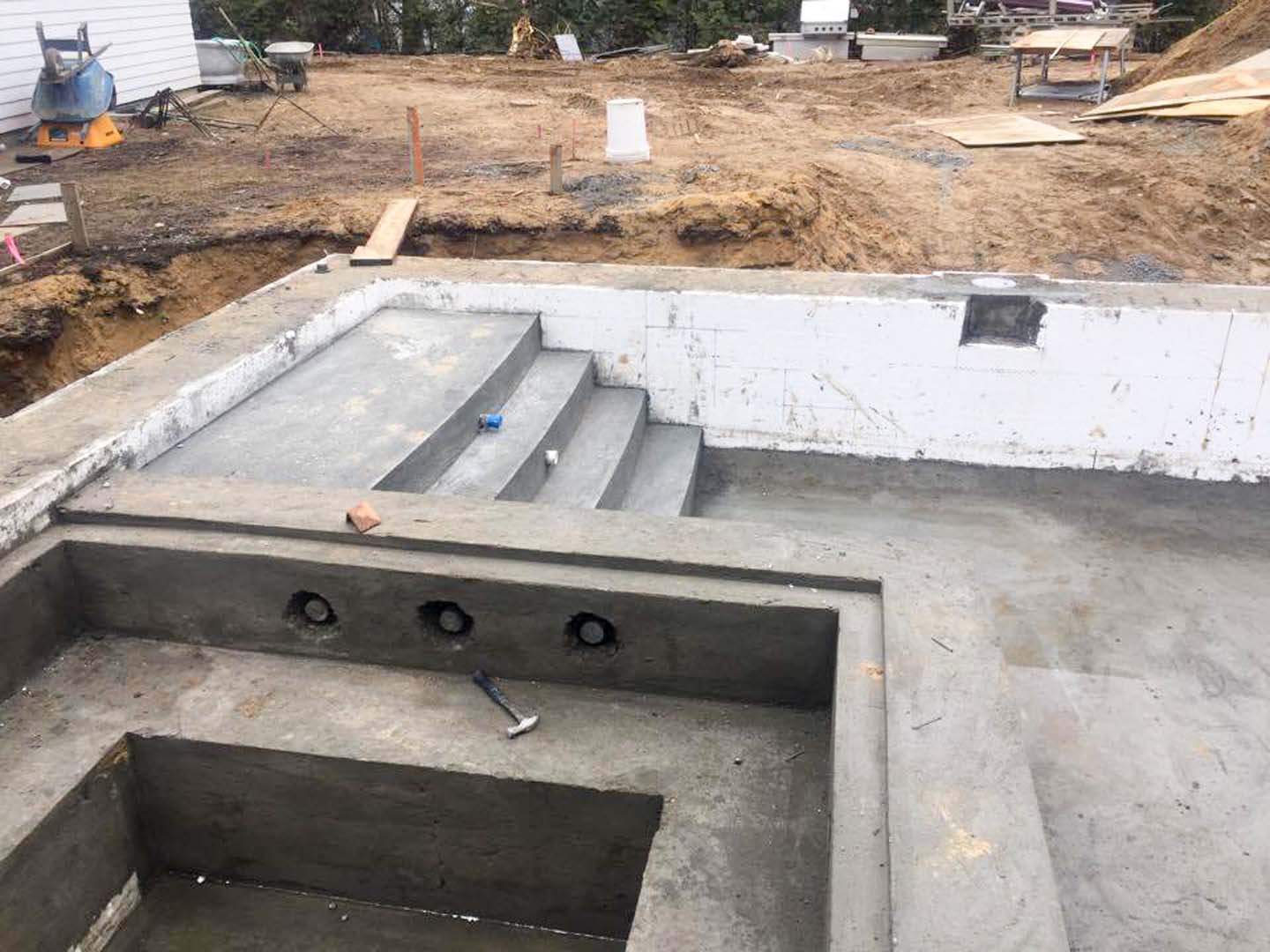
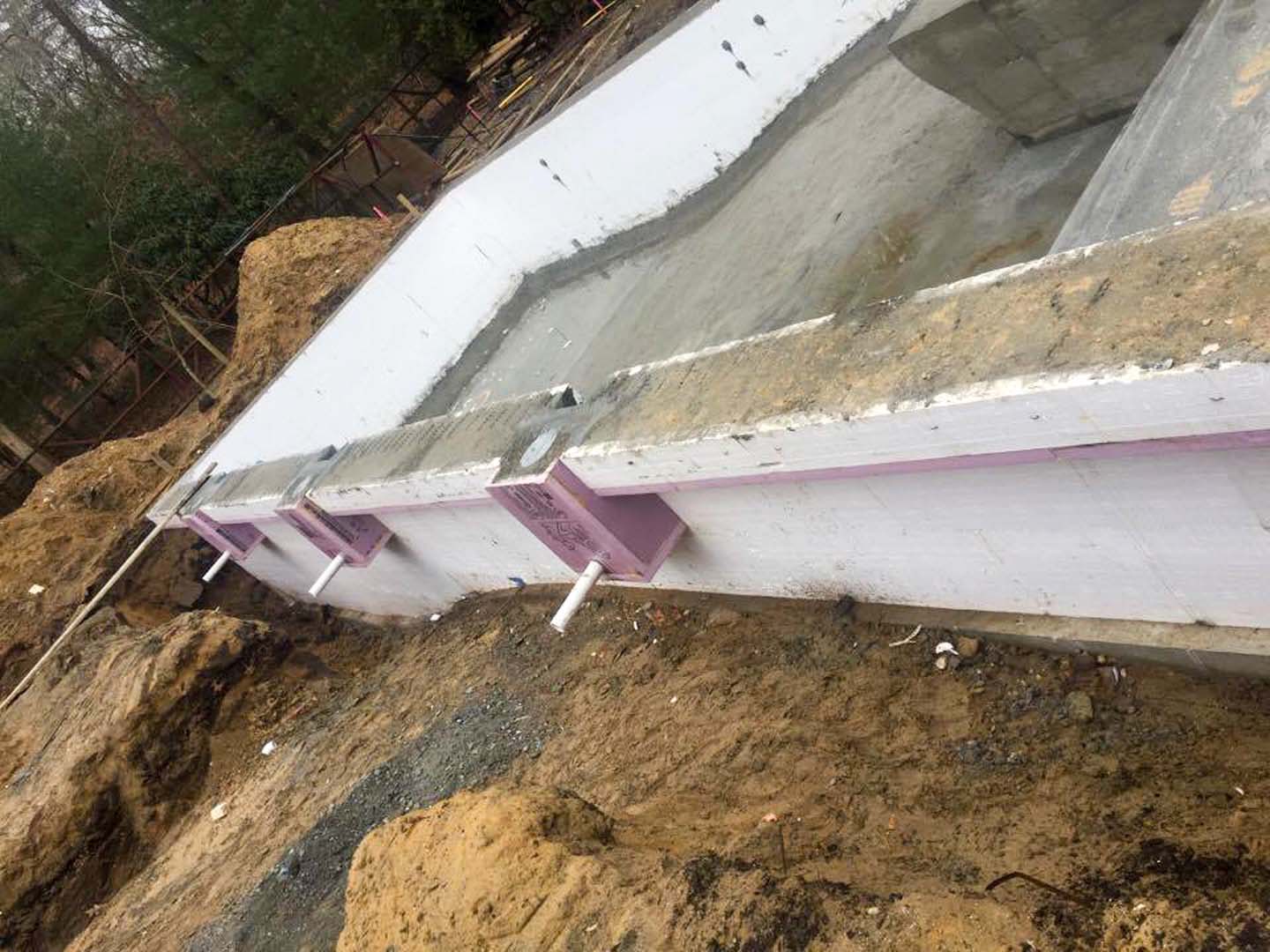
Insulating Concrete Forms are one of the most versatile building products on the market. They are frequently used for many structures including homes and commercial buildings and are growing in popularity for building swimming pools. BuildBlock customers have constructed retaining walls, fences and gates, fire pits and more. One increasing request for information has been ICF swimming pools. ICFs in swimming pools not only speed construction, but the insulating foam prevents more than 80% of the heat loss of the pool. This means it’s much cheaper to heat your pool, but also increases the length of the pool season.
Learn more about using icfs in pools!
Pools built with BuildBlock and BuildRadius ICFs reduce energy costs by more than 60% and extend the pool season making your investment even better.
Most heat is lost through the sides and bottom of a pool. Use the same materials as your custom home and enjoy real savings all year.
The greatest cost savings, though, are long-term. “Experts calculate that up to 80% of a pool’s heat is lost through the sides and bottom of the pool, due to the fact that the ground conducts heat far more efficiently than air does. Considering the surface areas involved, continuous insulation is the best choice.”
- ICF Builder Magazine, July 2013
BuildCrete Pool Plaster
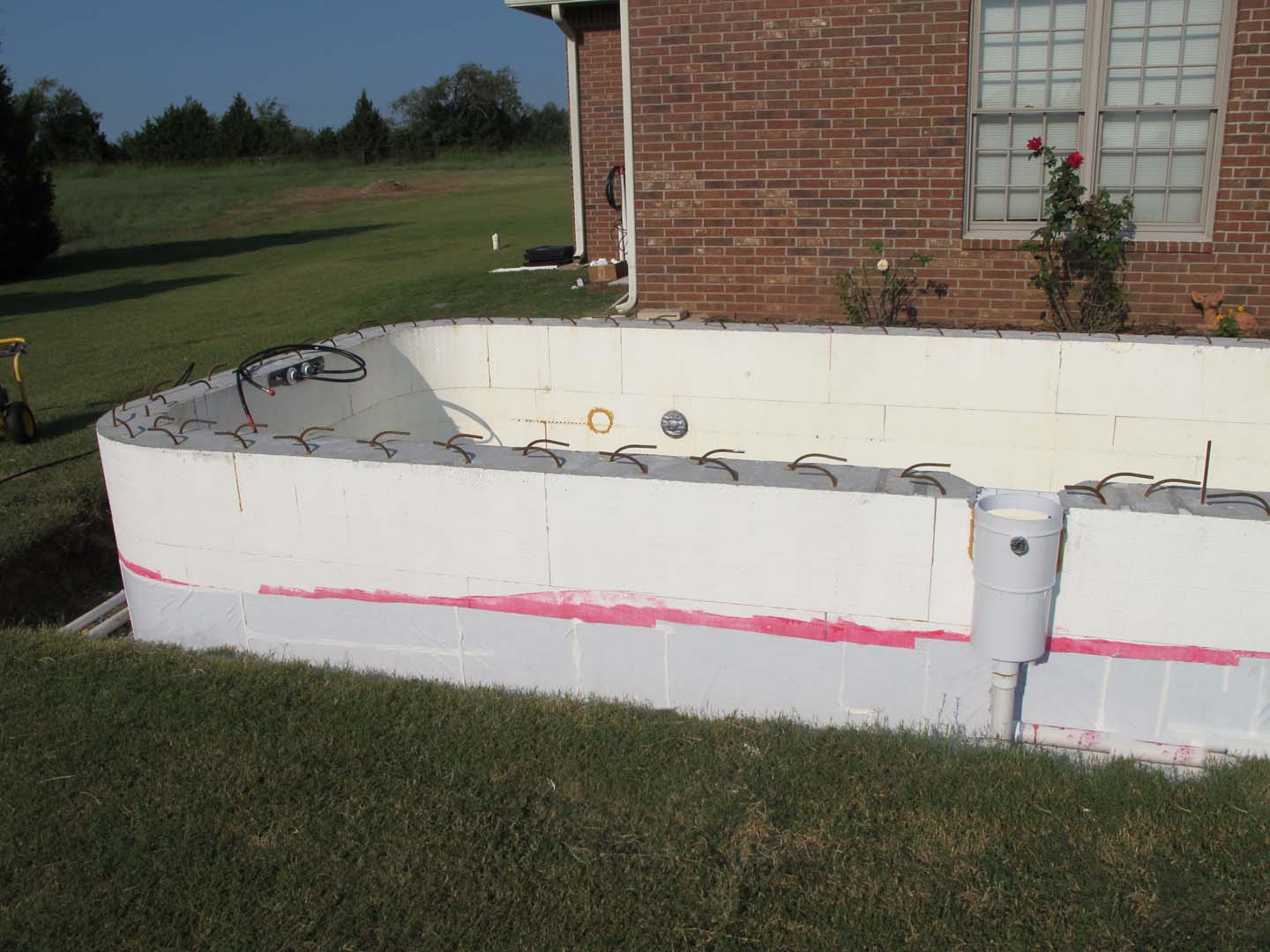
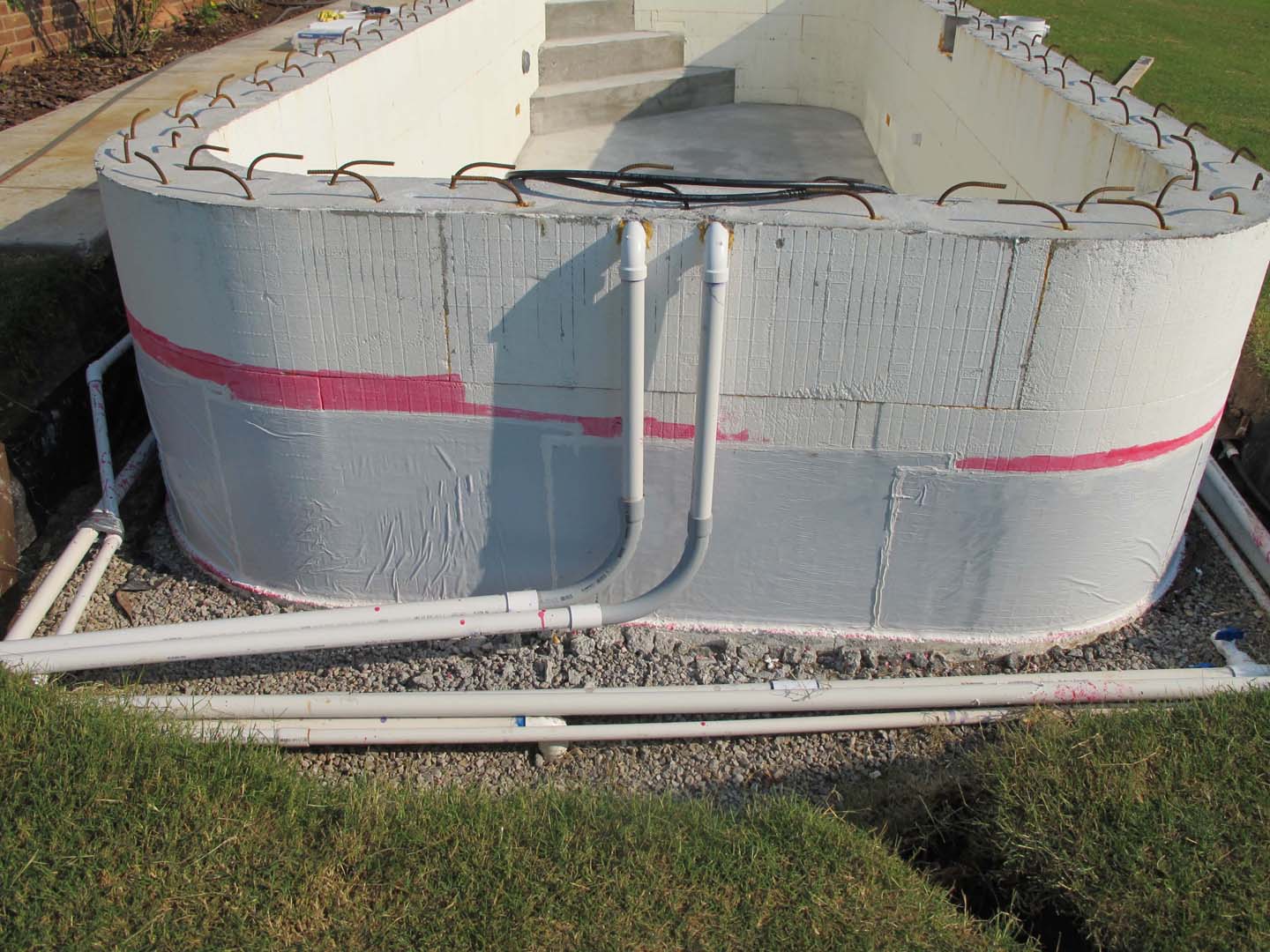
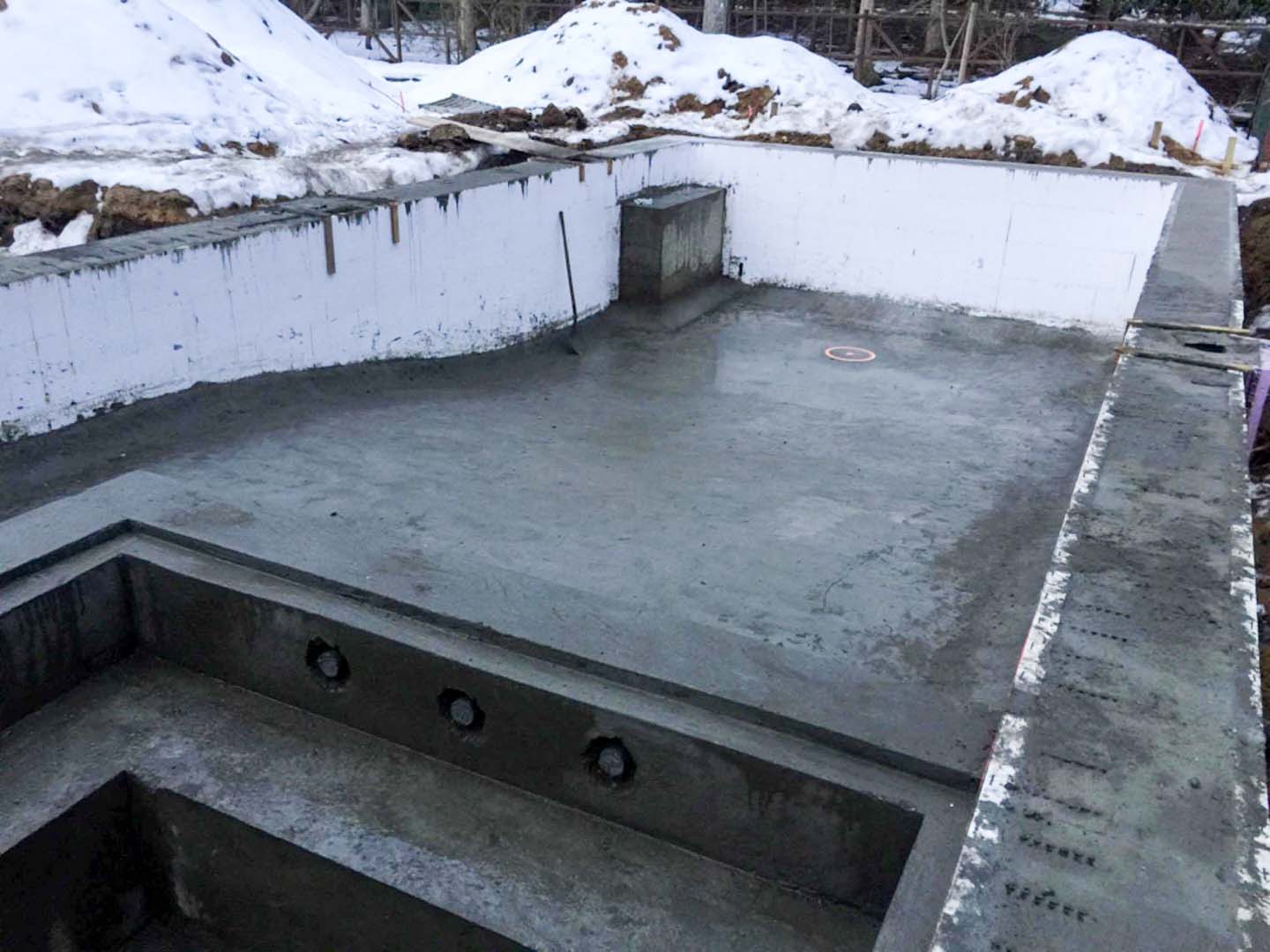
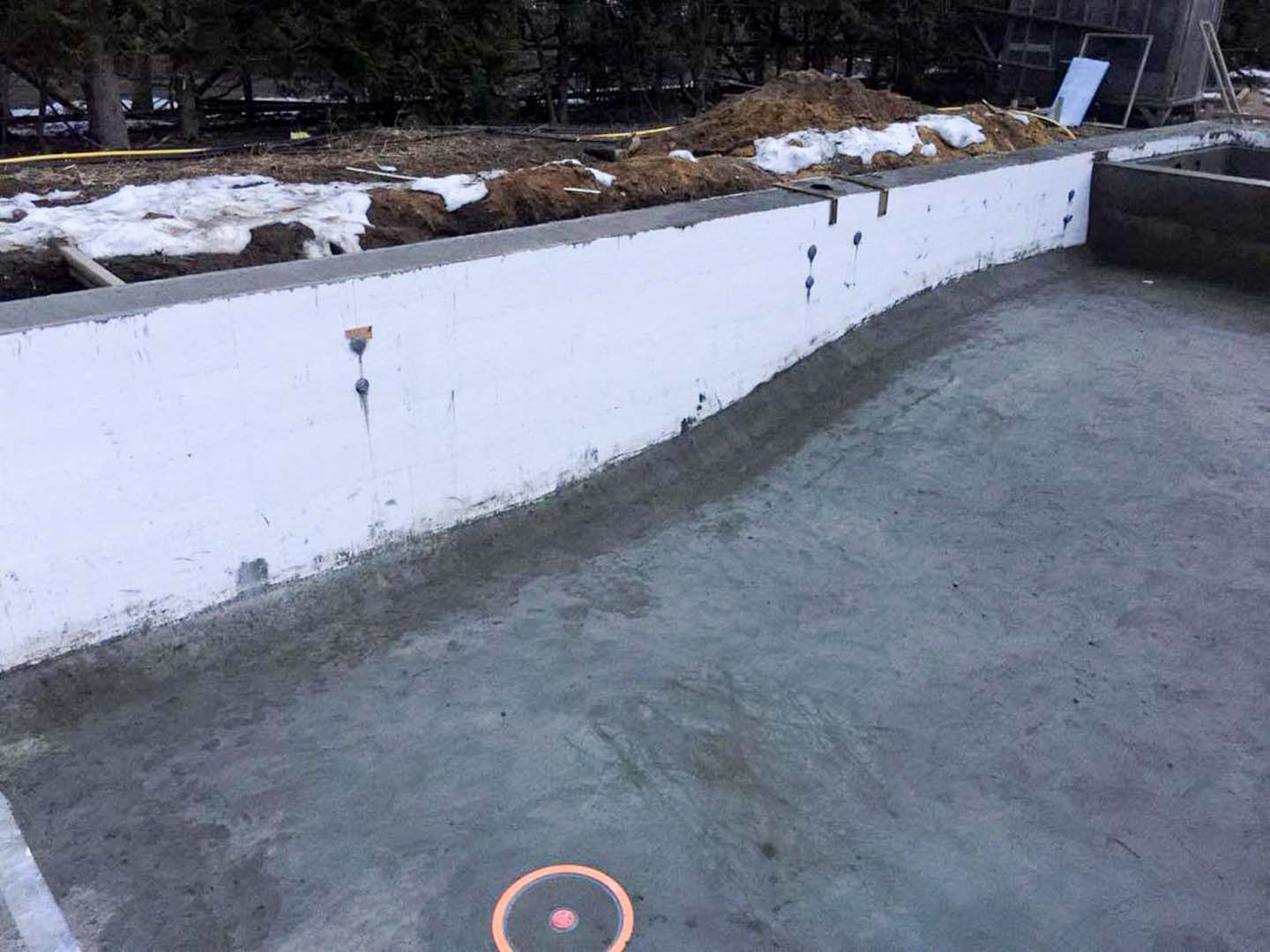
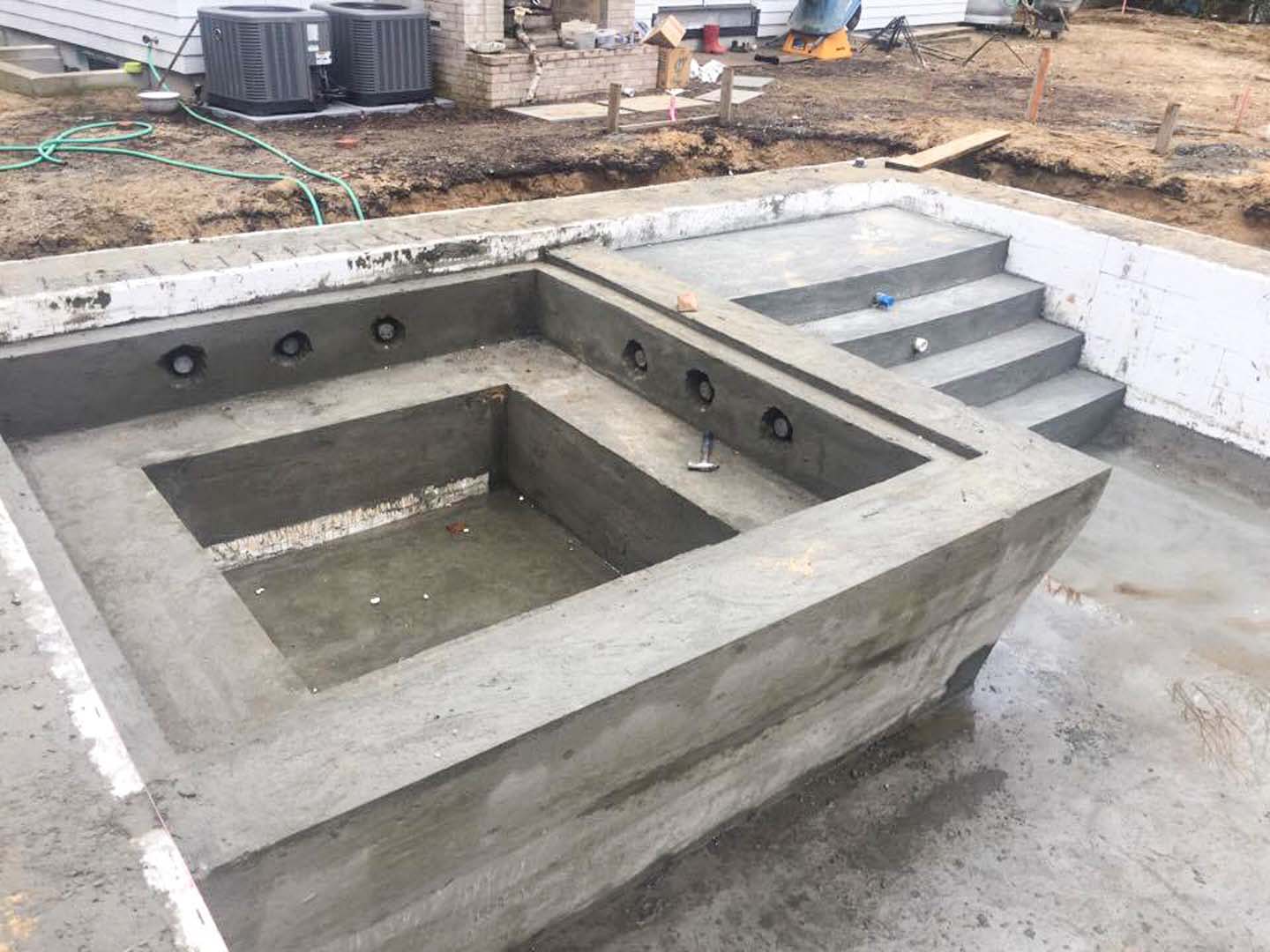
A Gigacrete product is perfectly suited as the waterproof coating and plaster directly applied to the EPS foam. Another full line of ICF pool construction products can be found at sider-crete.com ICF pools are being built on many types of projects. Usually found in large custom homes, they are also found in community pools and as an energy efficient addition to existing homes as well. ICFs primary component is EPS foam. They are easily formed into almost any shape imaginable and since they form an extremely flat and smooth wall, they are easily finished.
"ICfs have been used for swimming pools since the very beginning of the industry. In the past few years several manufacturers have created additional coatings and finishes specifically for ICFs that work well in pool environments too."
- icf builder magazine, july 2013
ICF Swimming Pool Engineering & Installation Manuals
BuildRadius
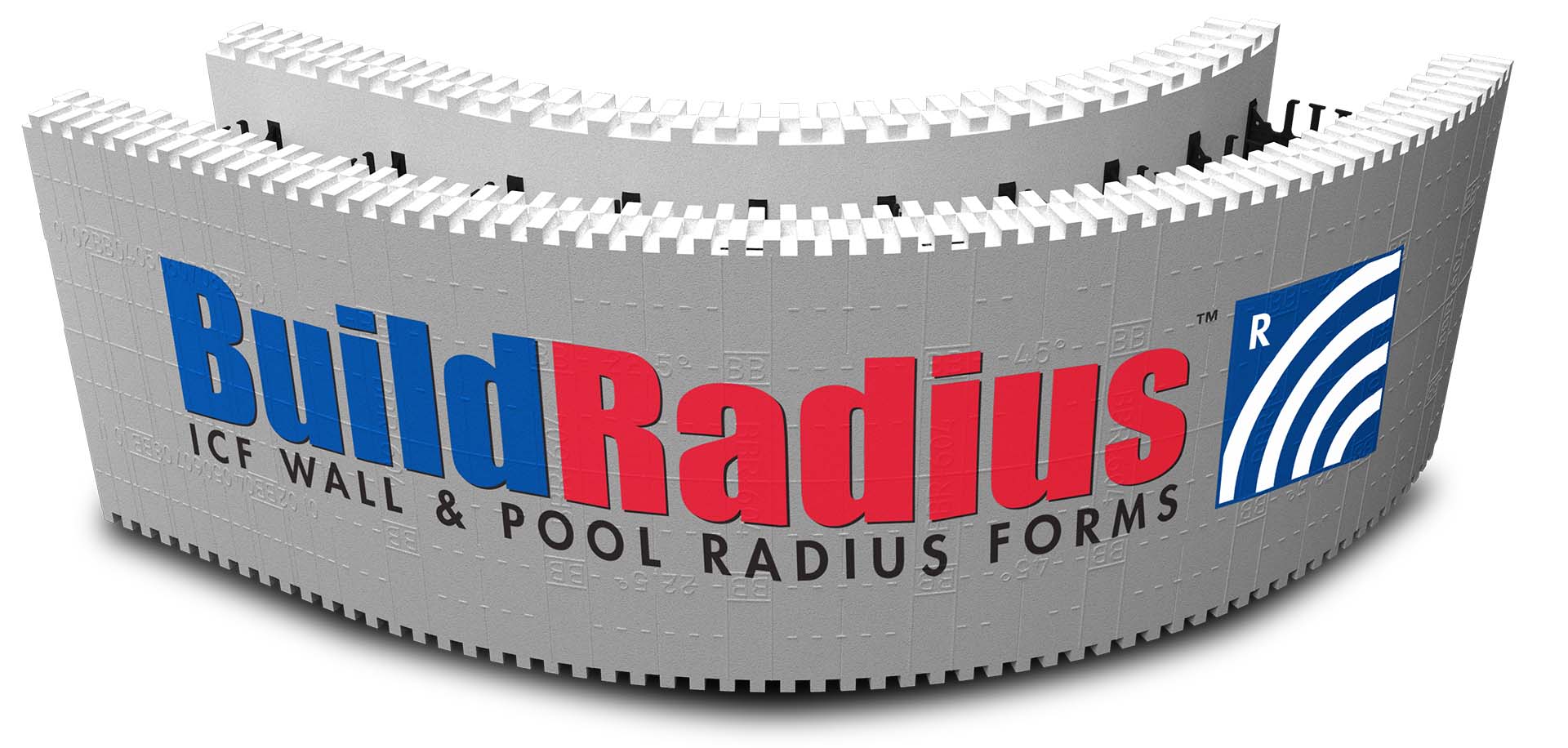
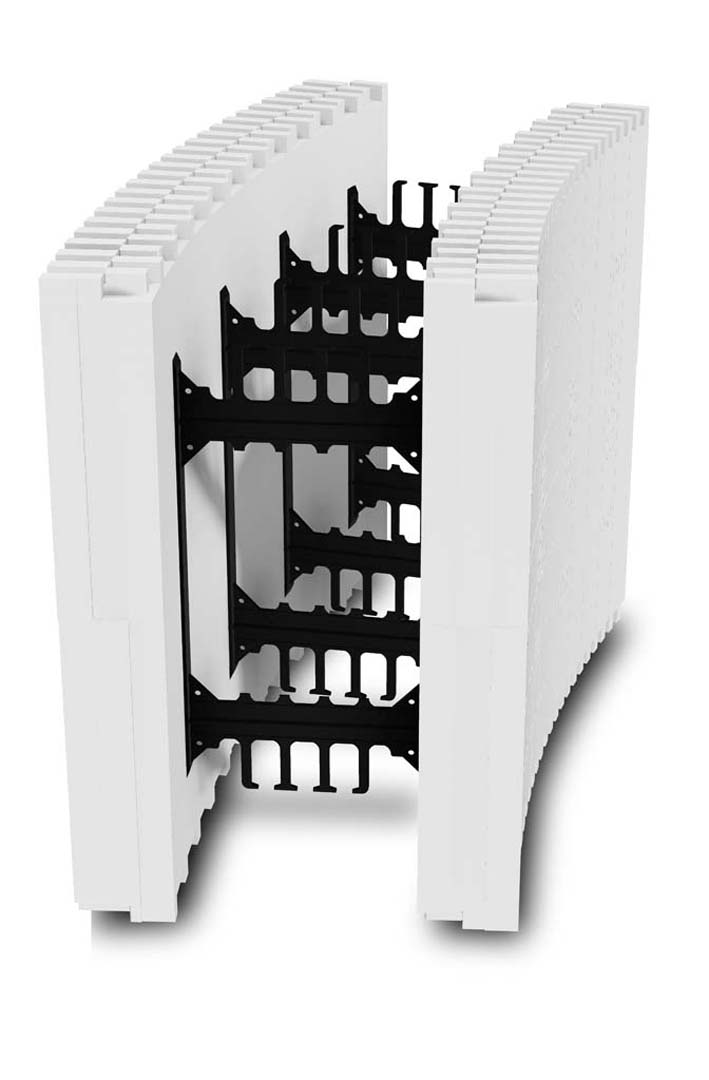
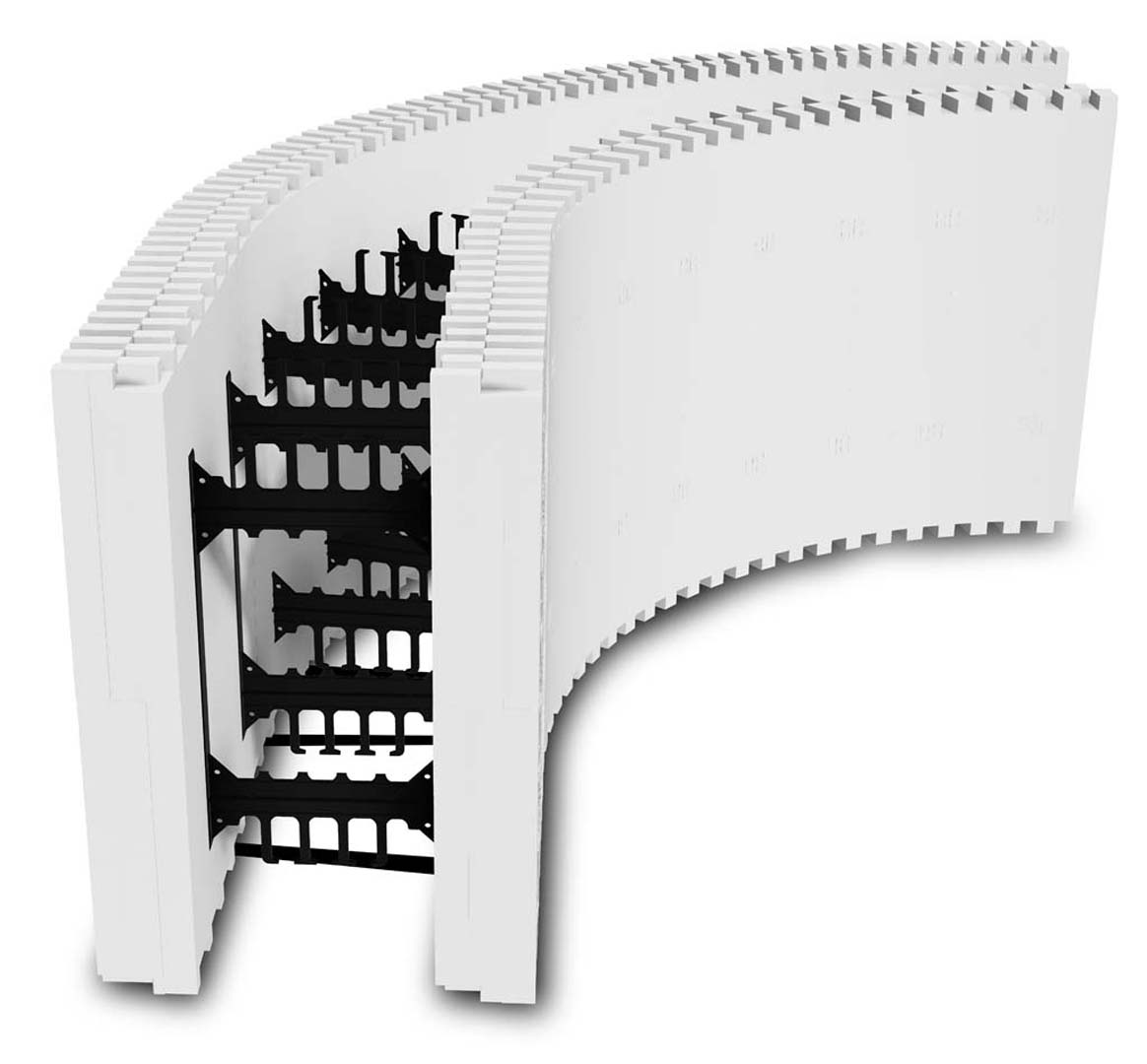
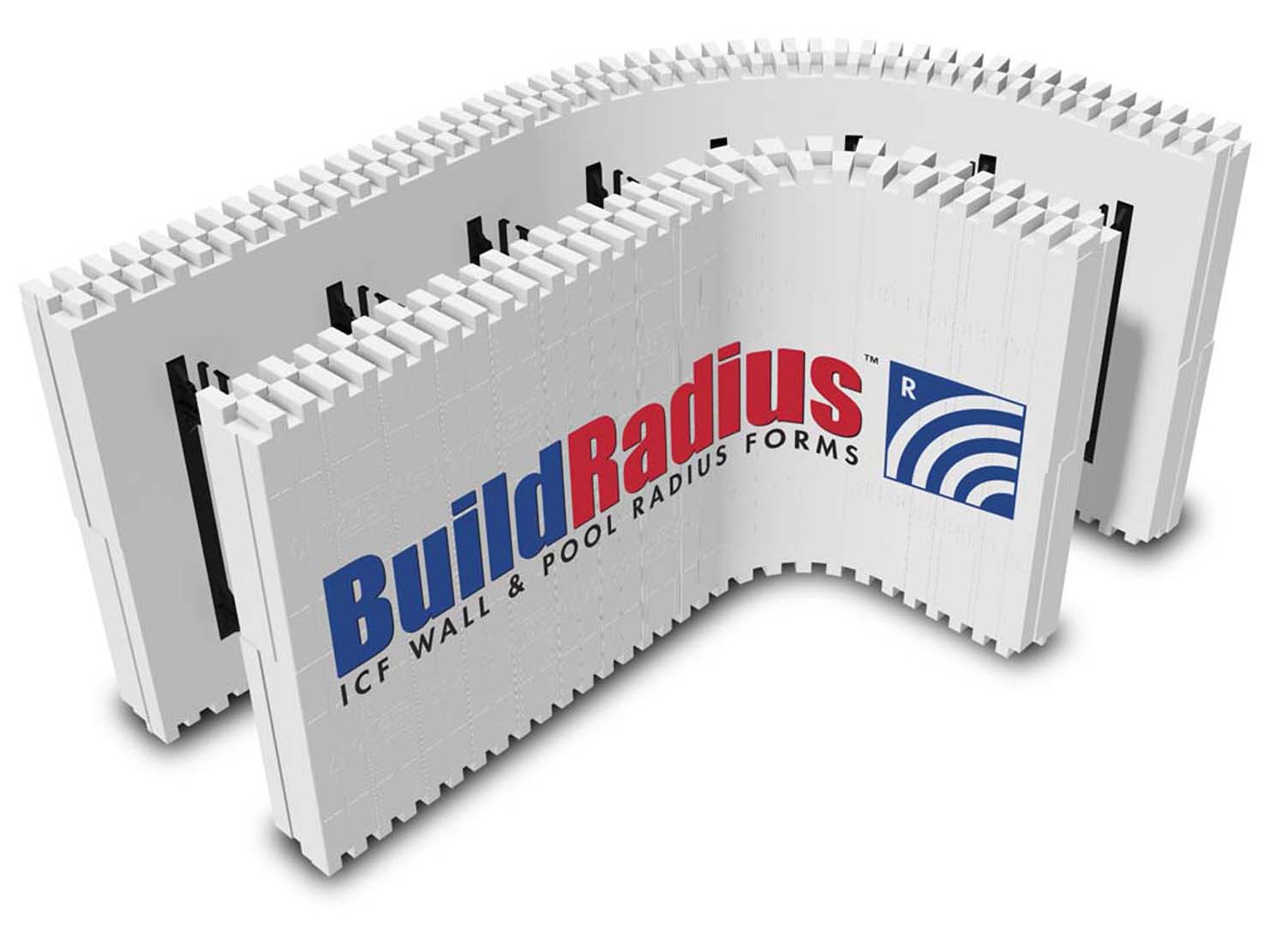
Building an ICF Pool is now even easier with BuildRadius ICF forms. Combine BuildRadius with BuildBlock forms to create any shape or style imaginable.
BuildRadius is a family of radius forms for use in ICF walls and pool construction. The BuildRadius forms create 2’, 4’, 8’, 12’, 16’, and 20’ arcs. Each of these blocks interlocks into any BuildBlock 6” product line and uses the standard BuildBlock webs.
Available in 6” widths initially, these forms are designed to ease construction of energy-efficient ICF pools, southwest style homes, bay windows, circular staircases, and provide options when designing unique areas in ICF homes.
Learn from 200+ expert videos!
About BuildRadius
Advantages
- Faster Construction
- Modular, Light-weight, Easy to use.
- Easily Shaped, Modified and Stacked.
- Environmentally Friendly, Low Waste
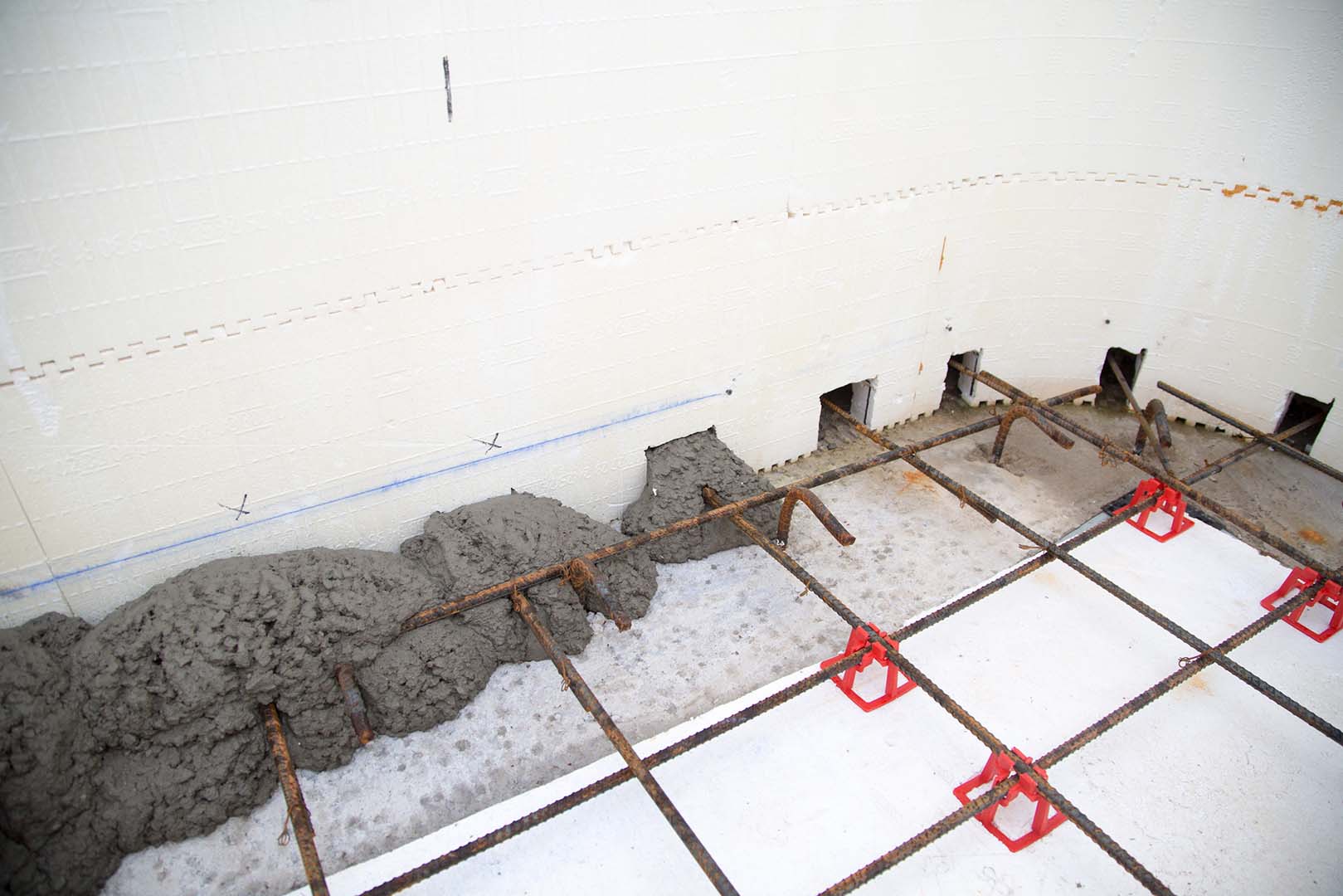
- Easy Rebar Placement
- More consistent wall finish
Why ICF
Most residential swimming pools are built in conjunction with custom homes and frequently when the owners choose to build with ICFs for longevity and reduced energy costs, they’ll choose an ICF pool for the same reason. This great simplifies construction and uses the same materials as their home.
Field Cut Radius
While BuildRadius is the fastest and easiest way to create curved walls for your pool, it is important to remember that field-fabricated radii are also possible with all BuildBlock and BuildLock standard straight forms. View this CAD detail for specific information on how to create radius walls from straight forms or the BuildBlock Installation & Technical Manual.
Frequently Asked Questions About ICF Pools
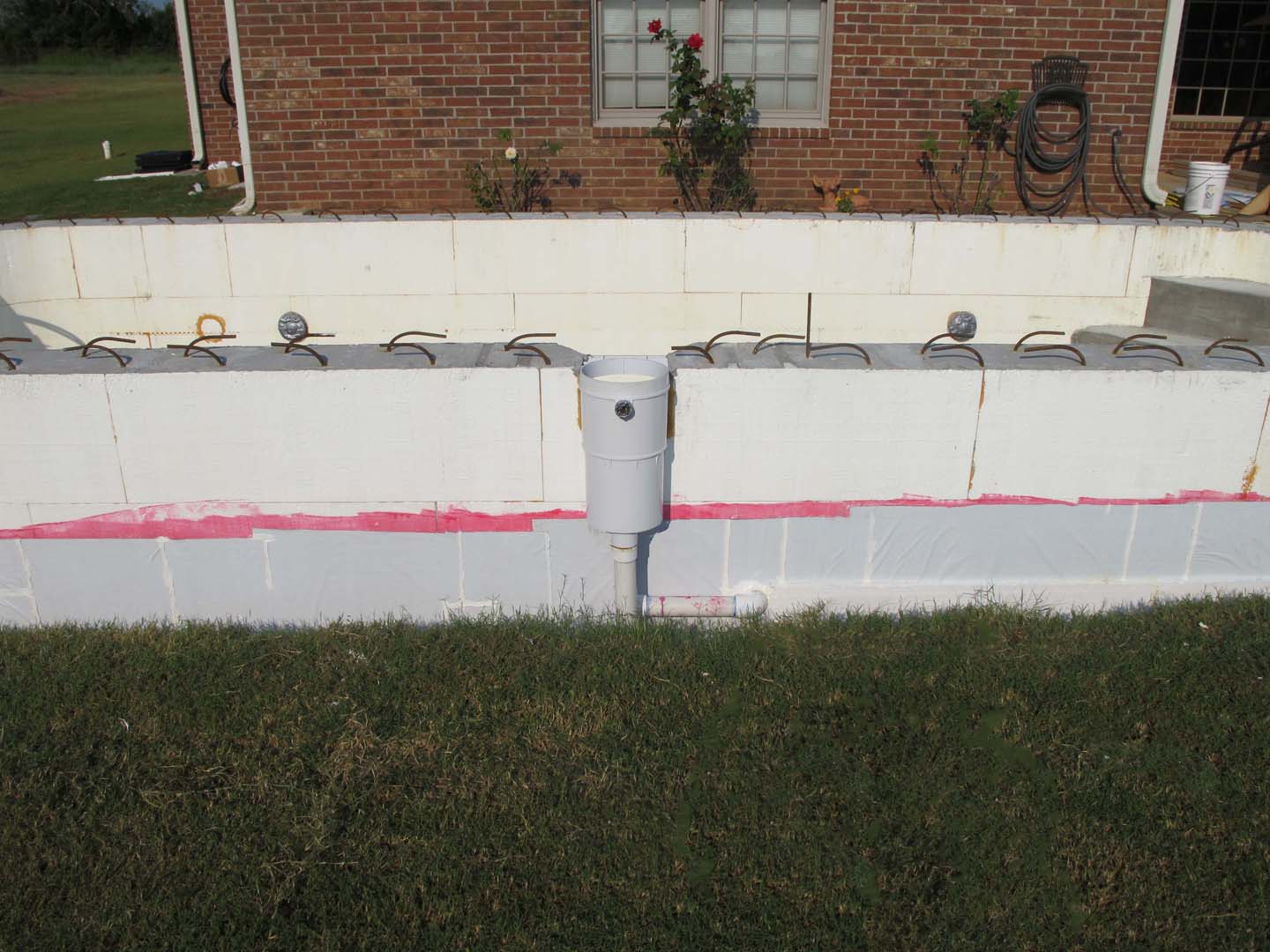
An ICF pool is a swimming pool whose walls are formed with insulated concrete forms (ICFs) — hollow blocks of expanded polystyrene (EPS) foam that stack like interlocking units, are reinforced with steel, and are filled with concrete in a single pour. The foam stays in place permanently, so the finished wall is a monolithic concrete shell wrapped in continuous insulation rather than a bare concrete or vinyl-lined basin. The same BuildBlock ICF blocks used for building walls form the structural shell, which then receives a waterproof pool finish.
For a heated pool in a colder climate the case is strong, and it rests on three things the wall does at once: a steel-reinforced concrete core that carries the structural and soil loads, a continuous EPS insulation layer that slows heat loss from the water into the surrounding ground, and a monolithic shell with no organic material to rot or feed mold. An uninsulated concrete basin sheds heat into the earth around it; the ICF’s continuous foam slows that loss, so a heated pool holds its temperature longer between uses. Don’t judge the choice on the cheapest bid alone — for an owner heating the water over many seasons, the steadier temperature and lower operating burden are what matter.
Cost depends on the variables every pool shares — size, depth, site conditions, finishes, and local labor — so an honest answer starts there rather than with a single price. Where ICF changes the math is over time: the engineering and installation manuals on this page help scope the specific build, but for an insulated pool the figure that matters most is lifecycle cost — the day-one structure plus the years of operating it — not the build number alone. For a heated pool, the insulation that holds water temperature is a meaningful part of that long-run picture.

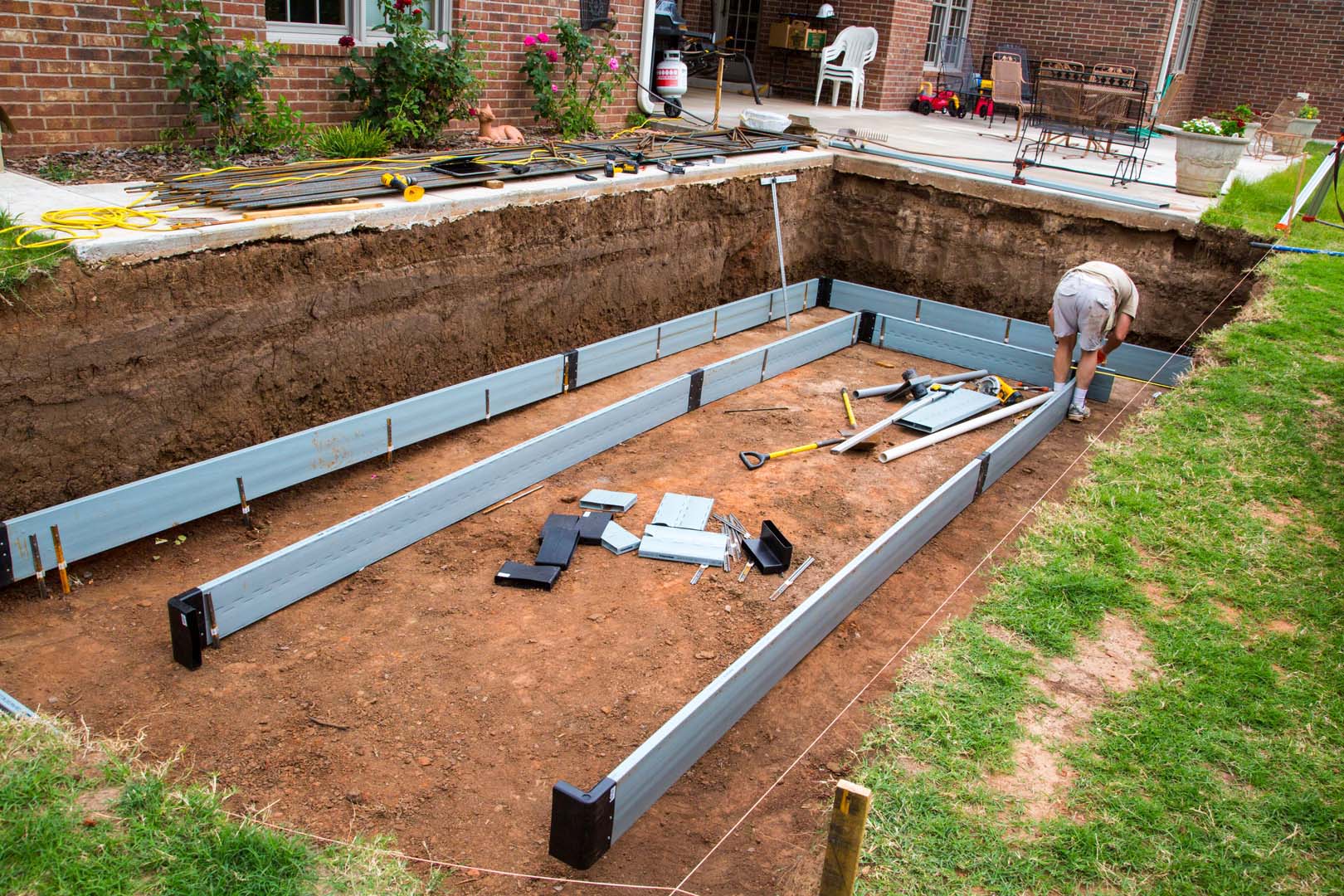
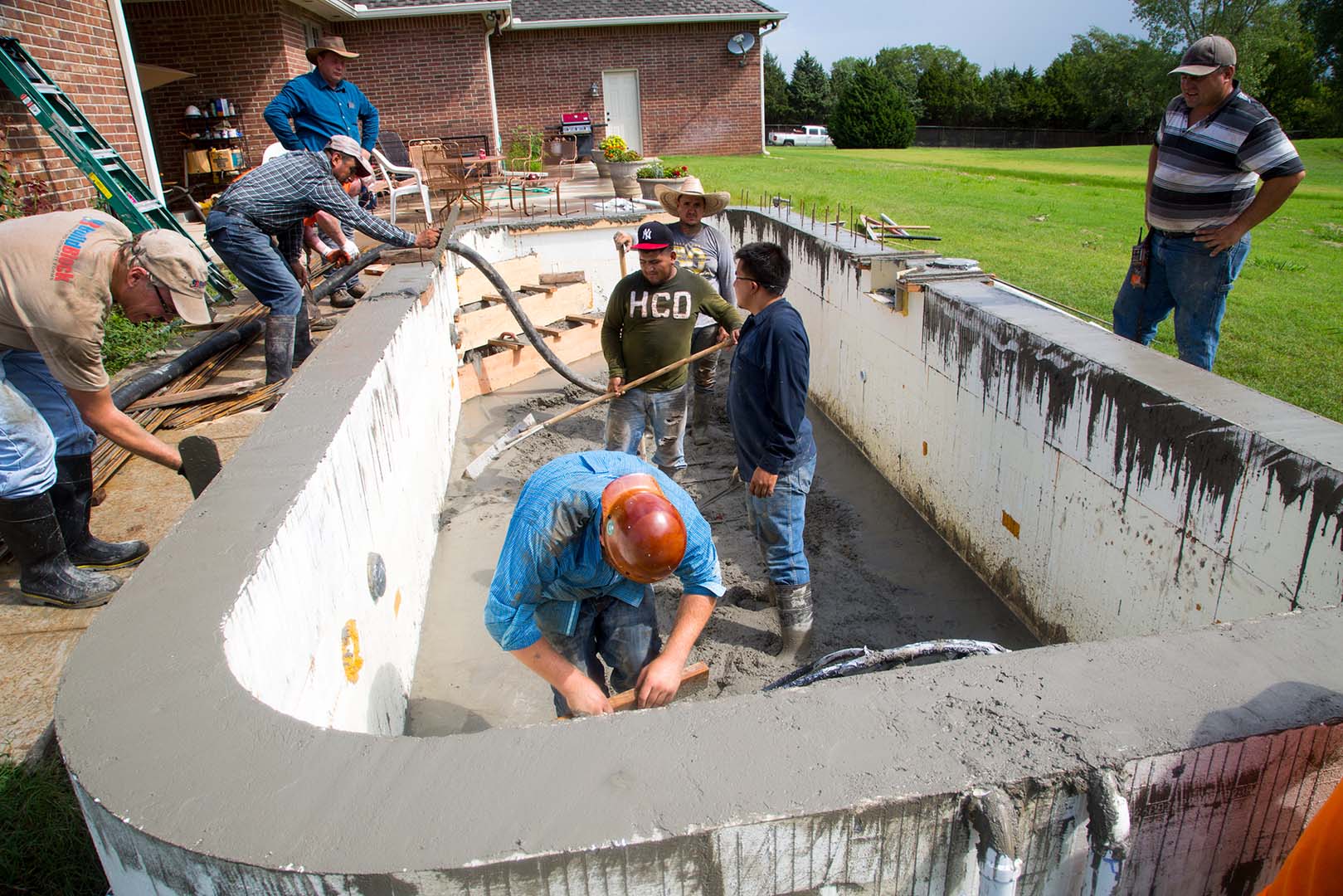
The schedule tracks the same phases as any pool — excavation, wall construction, the concrete pour, then waterproofing and finishing — and varies with size, weather, and crew. Where ICF earns time back is the wall stage: the forms stack quickly and the structural shell goes up in a single monolithic pour rather than being built up in stages, which keeps the critical path moving. Curved and freeform walls, often the slow part of a custom pool, are handled with BuildRadius radius forms instead of hand-built formwork.
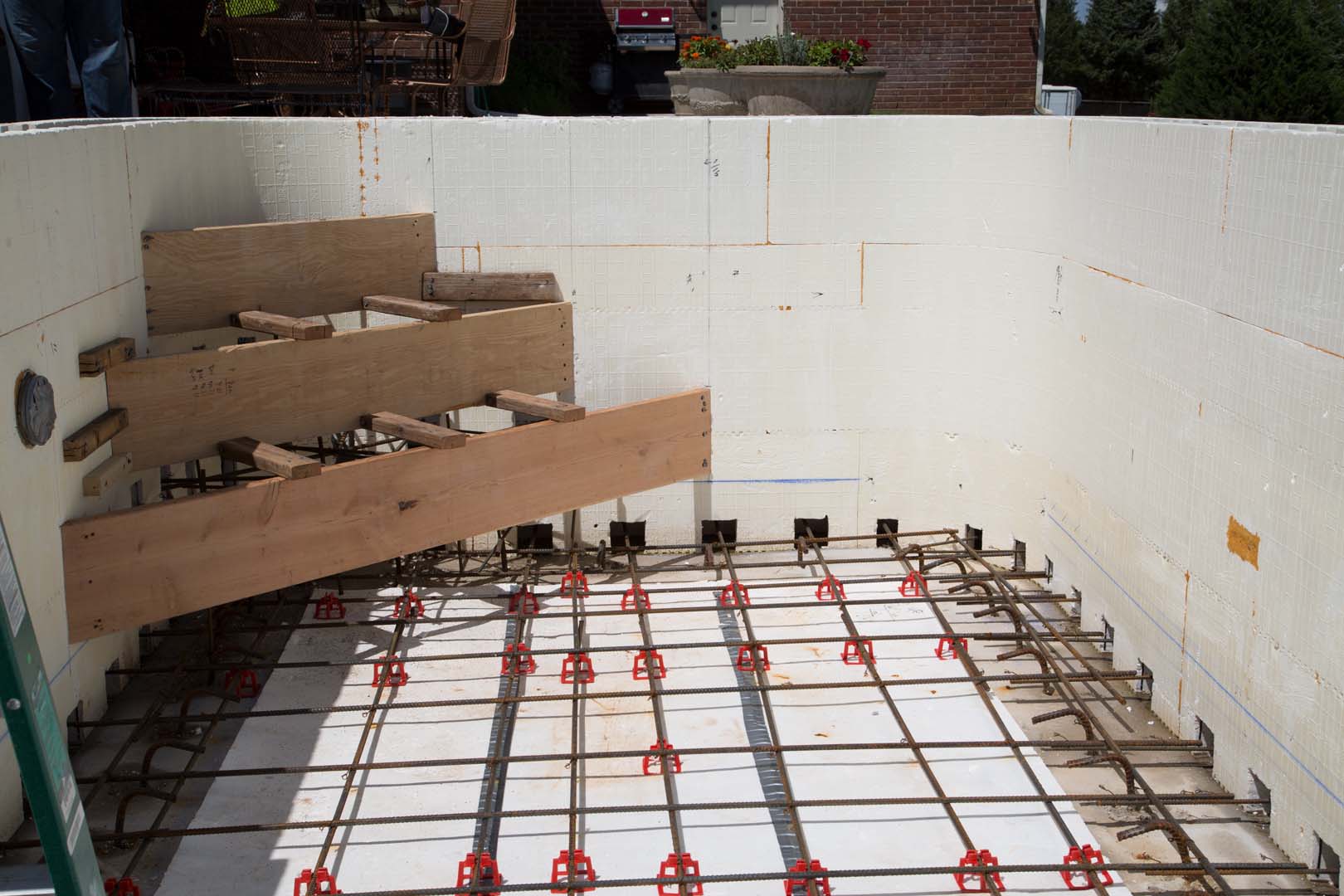
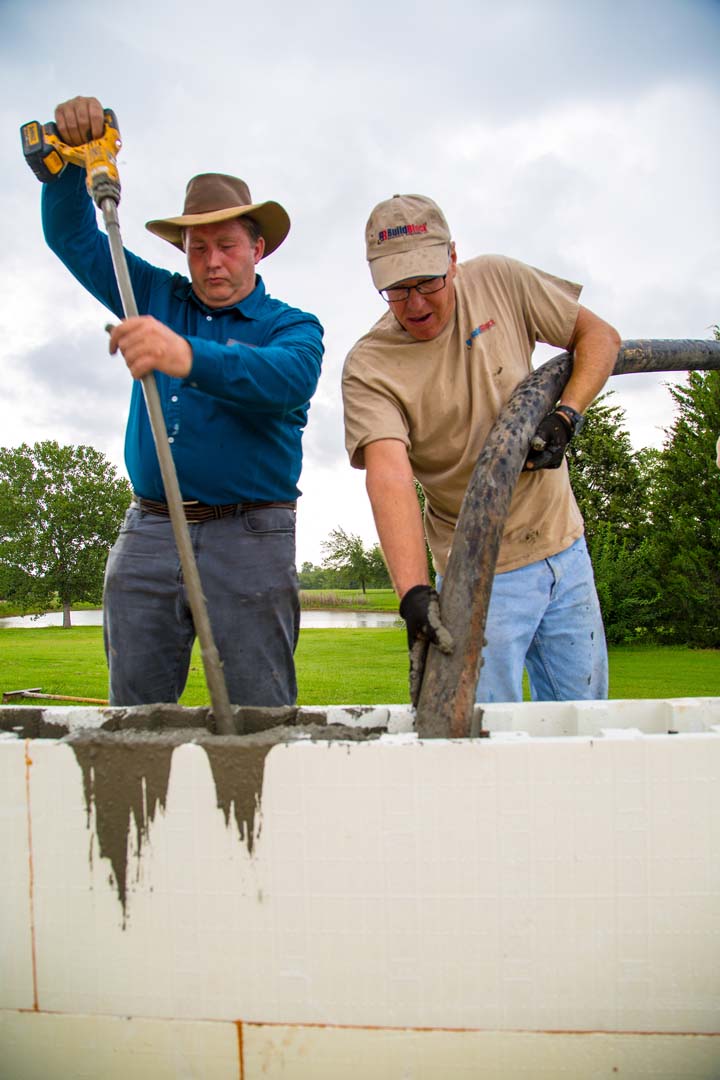
An experienced owner-builder can take on much of an ICF pool, because the forms are designed to stack by hand without specialized formwork crews — part of why the system appeals to do-it-yourselfers. The judgment calls are the steel-reinforcement layout, the wall bracing, and the concrete pour itself, which are worth having an engineer or experienced contractor confirm before you commit. BuildBlock publishes engineering and installation manuals to guide the build, and the interior is finished with BuildCrete pool plaster over the cured shell.
Let Us Help
Contact BuildBlock today and let our staff answer your questions and help make your project a success.